Microneedling
- Superficial dermal rebuilding
- Softening of very superficial scars
- Exosomes and Salmon DNA polynucleotides
- Refined texture
Face
Skin quality
Our method
One concern, one protocol.
Objectify the concern, personalise the protocol, quantify the result.
Discover the agencyFirst visit
Let our experts guide you to the right protocol.
Assess & prevent
Regenerate & stimulate
The programme
Elite Longevity
A year-long programme bringing the three pillars together around a personal measurement index.
See the programmeFirst visit
Let our experts guide you to the right protocol.
Skincare Agency17 rue de la Trémoille, 75008 Paris
Face
Lines & expressionsSmoothing without freezingVolumes & contoursRestoring structure and harmonySkin laxityFirming and redensifyingEye areaDark circles, eyelids, eye contourSkin quality
Complexion, radiance & glowRecovering natural lightAcne & blemishesTreating the active phase, preventing for the long termScarsAcne, recent scars and old scarsSpots & pigmentationEvening out the complexionRedness & rosaceaSoothing sensitive skinBody & hair
SilhouetteCellulite, localised fat, stretch marksExcessive sweatingHyperhidrosis under controlHairLoss, density and vitalityAssess & prevent
Predictive medicineMeasuring in order to anticipateLongevity supplements & routinesDaily supportRegenerate & stimulate
Hyperbaric oxygen therapyOxygenating to repairLight therapyActivating through light
Skincare Agency Paris
Rewriting the memory of your skin
A scar, or skin weakened after a procedure, is never a small thing. It carries a history, a depth, a tension, sometimes a silent inflammation. Nothing is standard: every skin calls for a precise reading, and the assessment guides a bespoke protocol, suited to the nature of the scar, to the procedure carried out and to the stage of skin repair.
Our approach
No two scars are alike, and no two post-operative recoveries are gone through in the same way. An acne scar, a surgical scar, skin inflamed after a medical procedure or an area in the middle of repair all call for a different strategy. That is why at Skincare Agency we created a dedicated unit for post-operative care and scar treatment, led by Parvaneh Ayati, an osteopath specialising in supporting tissues after a procedure. That approach brings together skin expertise, an understanding of deep tissue, drainage, scar mobility and targeted medical-aesthetic protocols. What separates genuinely effective care from a generic treatment is, first of all, the precision of the assessment. Before any treatment, we analyse the skin, the origin of the scar, how old it is, its depth, its texture, its inflammation, any adherence, but also the post-operative context, the degree of tissue fragility and the stage of healing. It is on that basis that we build a gradual, safe and personalised protocol.
Every consultation begins with a precise analysis: type of scar, depth, phototype, skin quality, skin history, recent or old procedure, residual inflammation, swelling, fibrosis or adherence. Those parameters guide the choice of manual techniques and technologies, the rhythm of the sessions and the intensity of the protocol. An approximate assessment limits the results. Here, it is central.
Post-operative osteopathy, drainage, work on scar mobility, microneedling, peels, radiofrequency, laser, LED, repairing treatments, skinboosters or regenerative protocols: no approach is enough on its own. Their effectiveness rests on combining them intelligently and at the right time. For each patient, we build a coherent sequence of care, suited to the nature of the scar or to the post-operative phase.
Skin repair takes time, regularity and close attention. A scar or post-operative protocol runs over several weeks or several months. Every step is followed, adjusted and optimised in order to improve the texture, suppleness, colour, thickness, mobility and overall quality of the skin gradually.

A scar, or skin poorly supported after a procedure, can evolve towards lasting irregularities: fibrosis, adherences, persistent redness, marks, raised areas or loss of suppleness. Intervening at the right moment, with the right tools and in the right order, profoundly changes the quality of skin repair. That precision is what we place at the heart of every course of care.
Parvaneh AyatiOsteopath & Director of Skincare Agency Paris
Acne
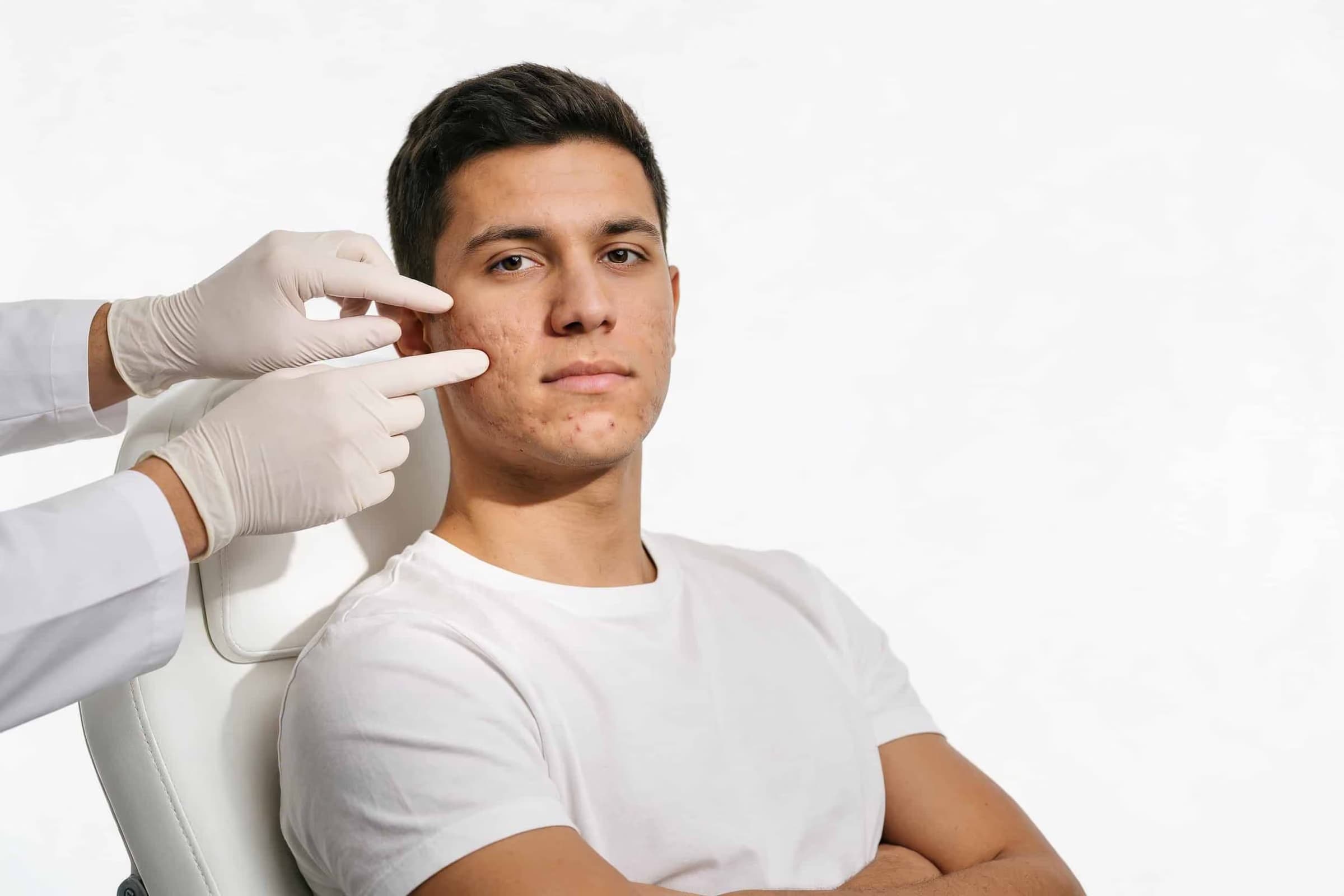
Acne passes. The scars stay. Hollows in the relief of the skin, brown or red marks that cling on for months after the last flare-up, an uneven texture that resists foundation: those marks carry a real psychological weight, at any age.

There are atrophic, hollow scars, the most frequent and the most stubborn. Ice pick, boxcar, rolling: three forms, three different behaviours in the face of treatment.
And then there are pigmented scars, brown or red, often confused with simple post-inflammatory marks. They soften faster, but not without a targeted protocol.
How old the scar is changes everything. So does its depth. And your phototype determines which technologies can be used without risk of secondary hyperpigmentation.
That is why, here, the assessment always precedes the treatment.
Acne scars
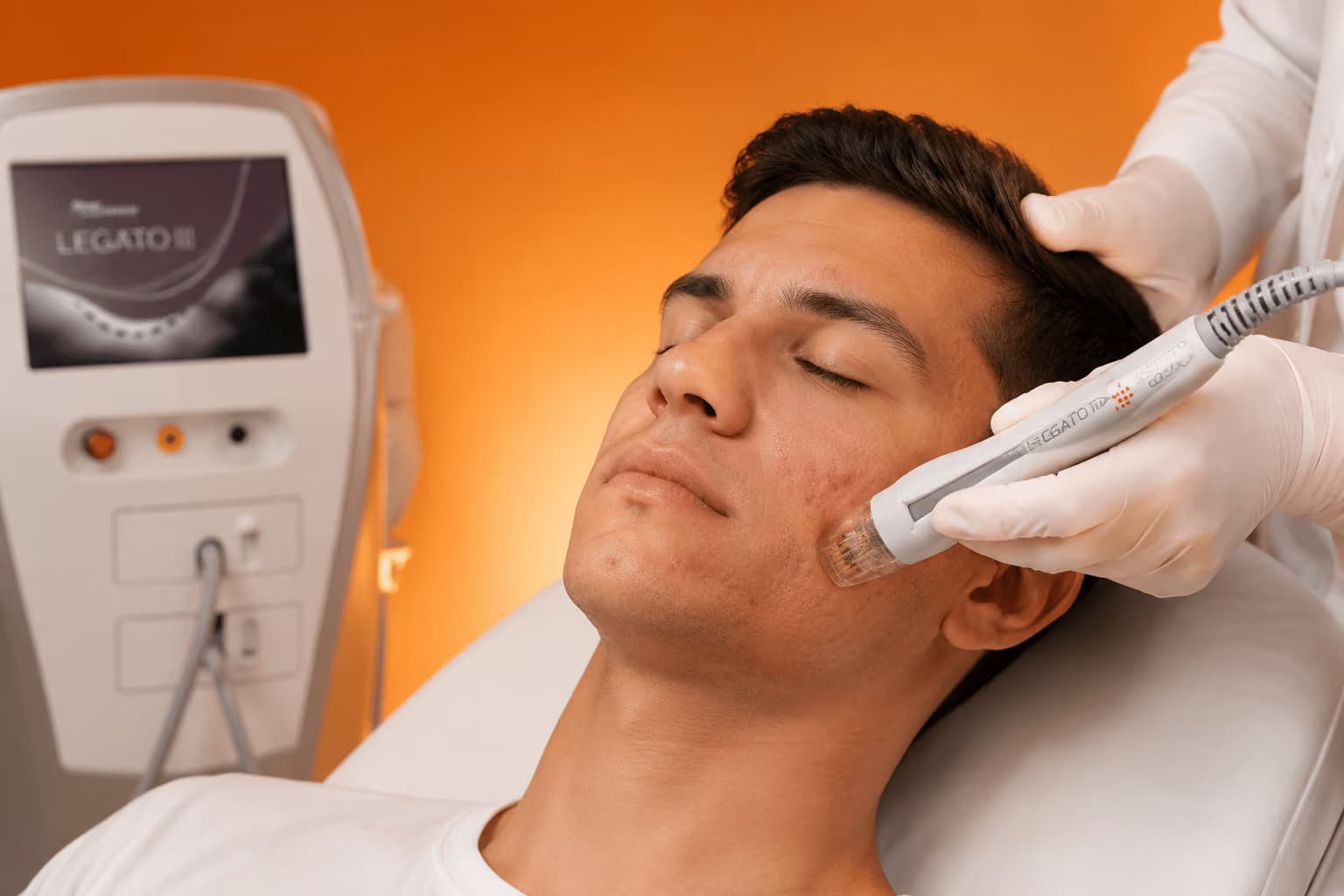
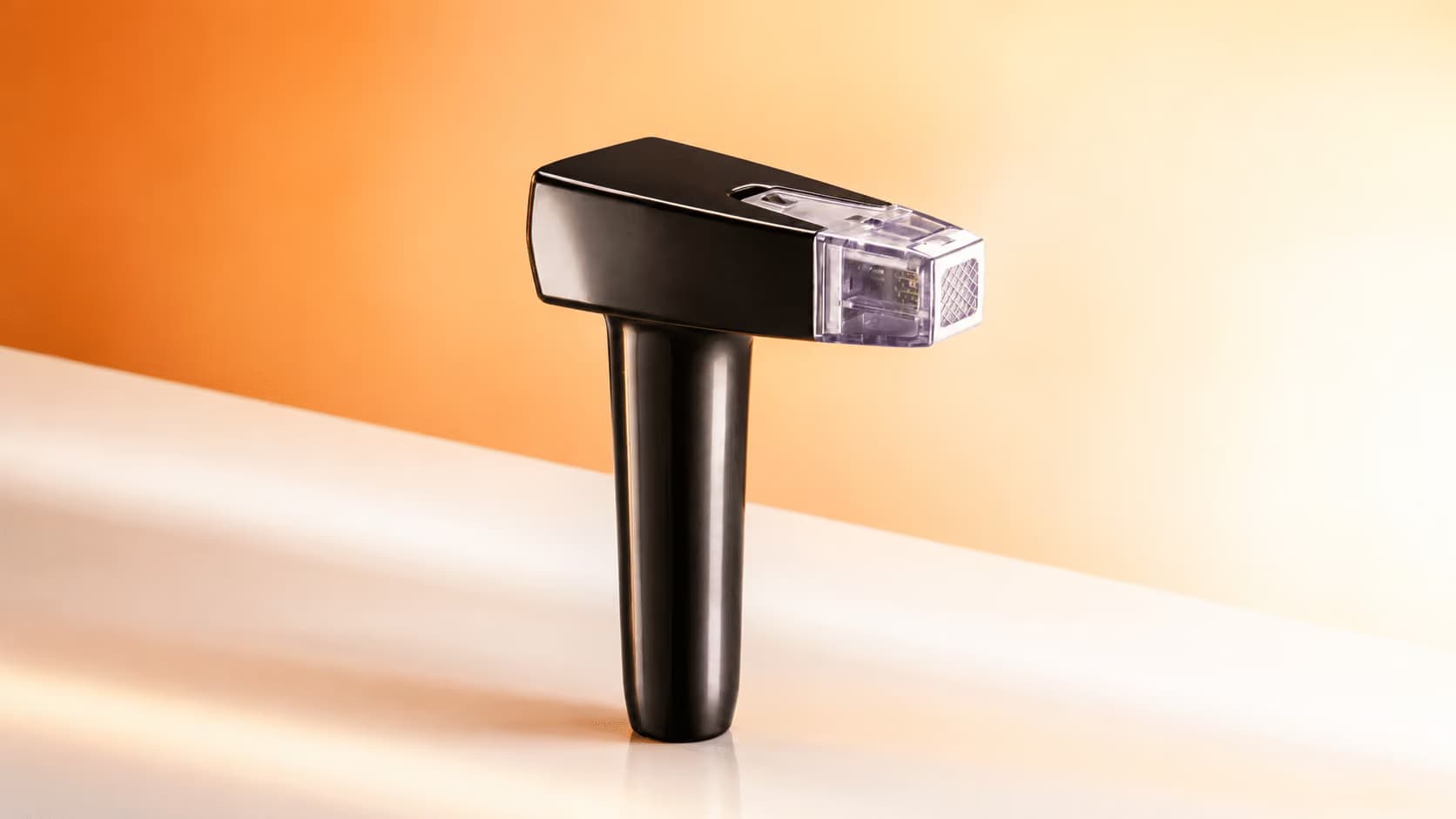
06 protocolsMicroneedling creates micro-channels in the dermis that trigger a natural regeneration response. Paired with targeted actives such as exosomes or polynucleotides, it speeds up tissue rebuilding, softens light scarring and significantly improves the texture of the skin. A reference protocol for skin lightly marked by acne.
45 to 60 min · 3 to 6 sessions recommendedRegenerating peels based on TCA or mandelic acid act on the deeper layers of the epidermis to clear post-inflammatory marks, soften superficial scars and restart cell renewal. The skin comes out smoothed and even, with a notably improved texture.
30 to 45 min · 2 to 4 sessions recommendedSubcisions release the fibrosis and the tissue held down by depressed scars, which is essential to recover a smooth skin texture. They are carried out alongside injections of a polynucleotide skinbooster, which restore deep and lasting hydration, smooth the skin surface and fill the small residual scars. A rebuilding treatment that gives the skin back its comfort and suppleness.
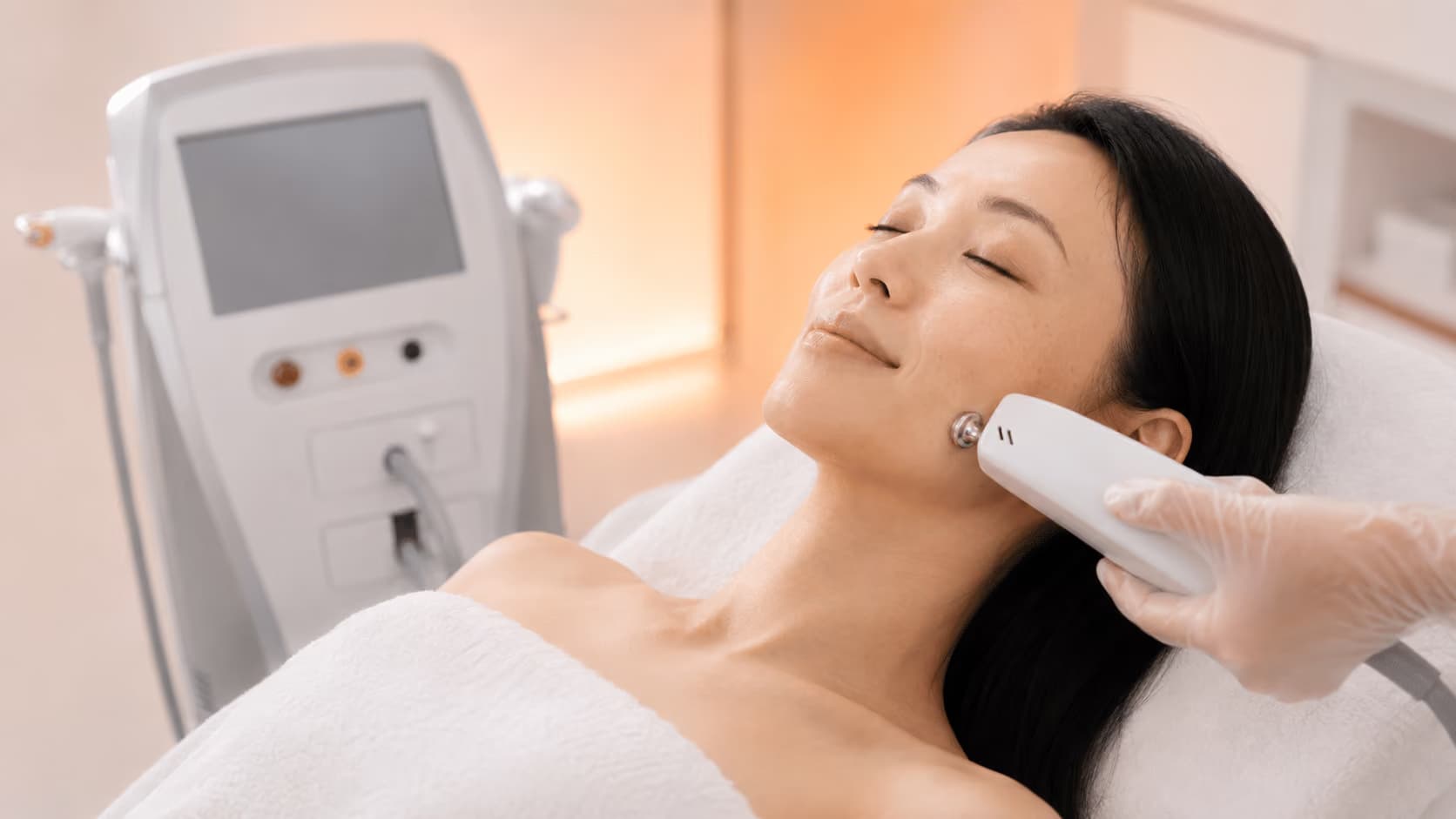
30 to 45 min · 2 to 3 sessions recommendedLegato III combines radiofrequency and sonophoresis to act in depth on the dermal tissue. It stimulates collagen production, reshapes raised atrophic scars, tightens the pores and lastingly improves the overall quality of the skin. An advanced technology, particularly effective on skin marked by chronic or cystic acne. It is advisable to add a personalised cocktail of actives (exosomes, polynucleotides, PRP) at the end of the procedure, during the sonophoresis. The procedure is carried out under local topical anaesthetic.
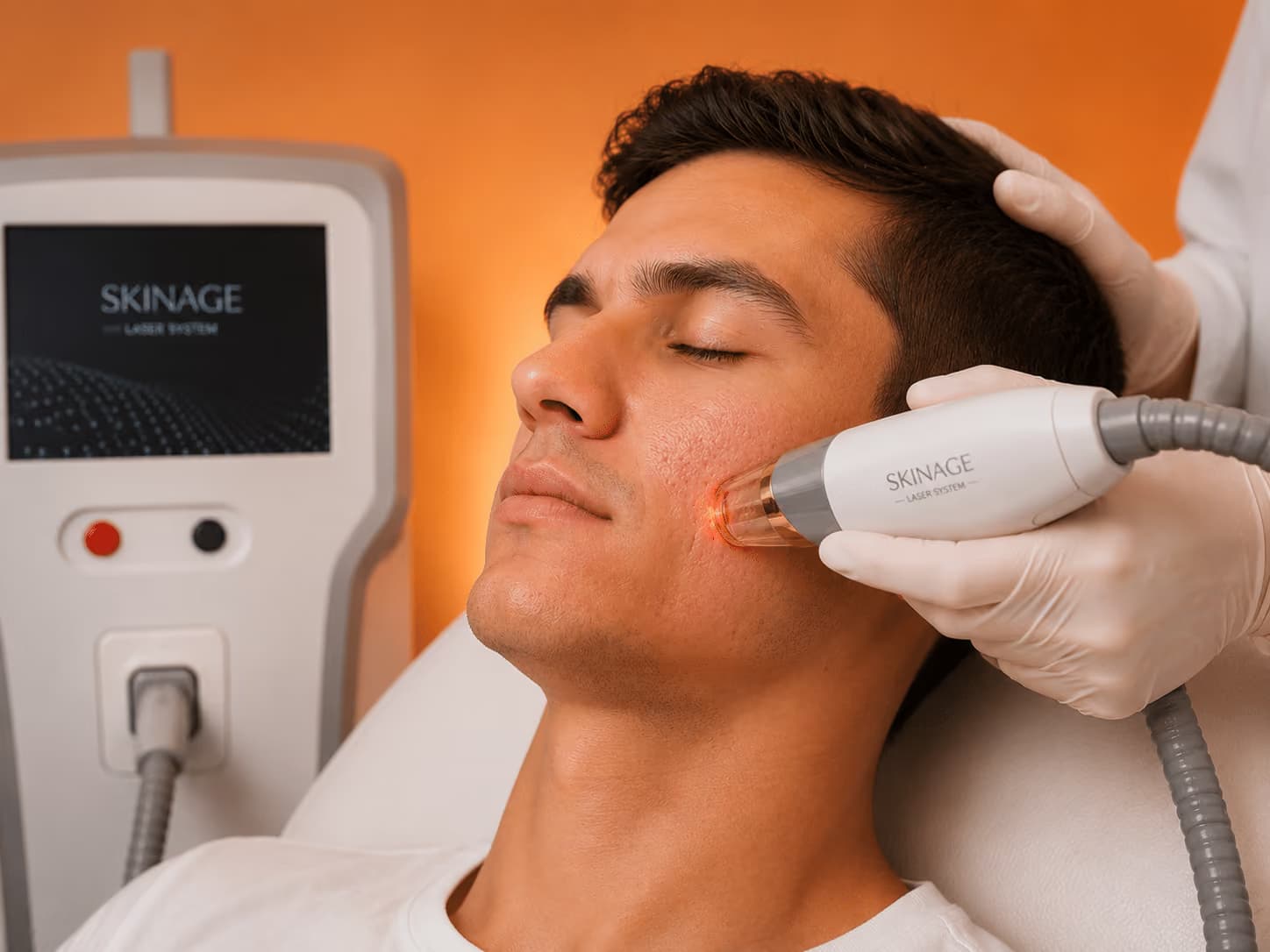
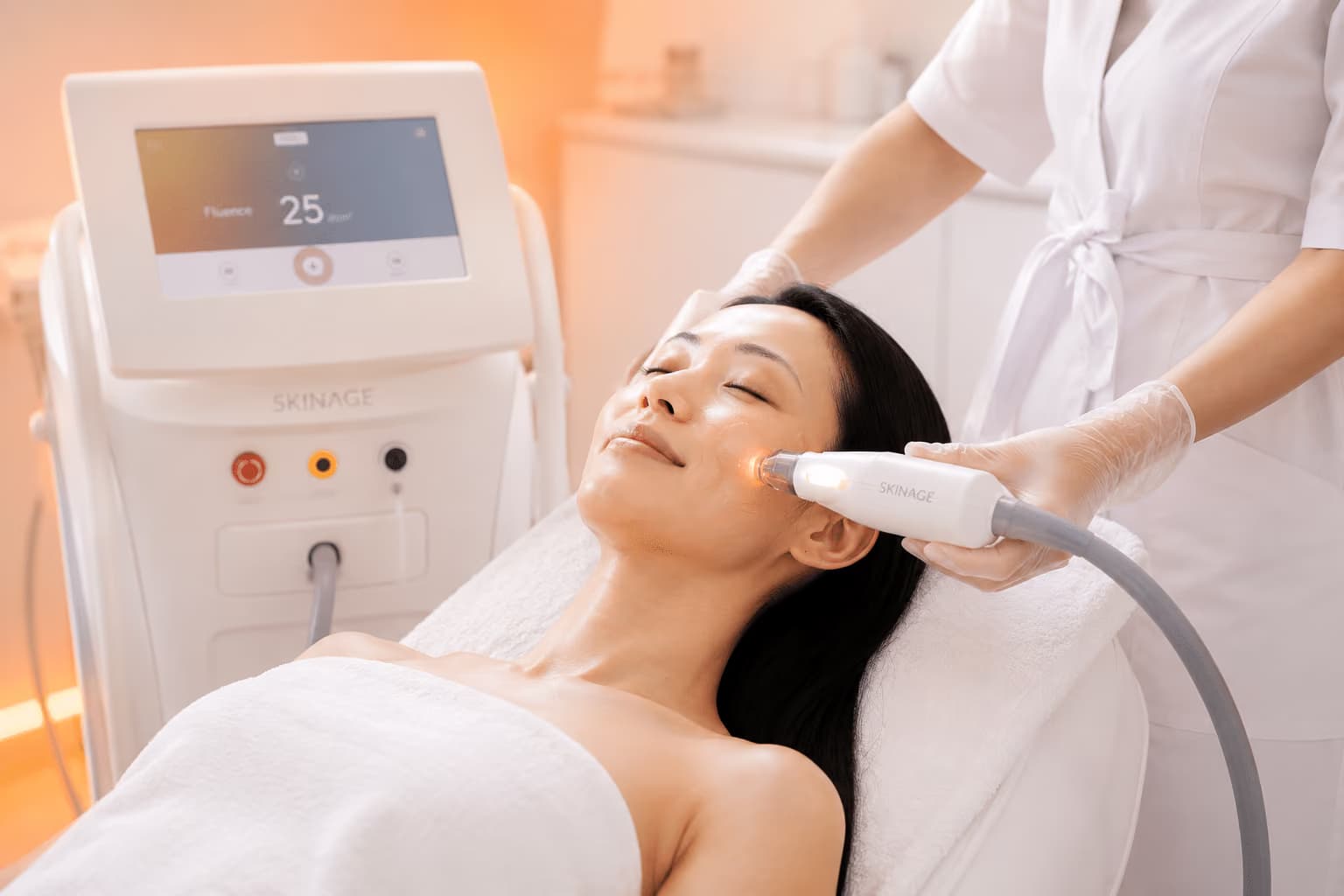
45 to 60 min · 3 to 6 sessions recommendedSkinage 1550 is a non-ablative fractional laser of the Fraxel type. It allows resurfacing with less social downtime than a CO2 laser. It creates micro-zones of heat in the dermis to stimulate the production of collagen and gradually smooth the hollows or the waviness.
45 to 60 min · 3 to 5 sessions recommendedMorpheus 8 is a skin reshaping technology that combines micro-needles and fractional radiofrequency to act at the heart of the dermis. That dual action stimulates collagen regeneration, improves the look of acne scars, refines the skin texture, tightens the pores and gradually gives the face back its firmness and evenness. An advanced solution for uneven or thickened skin, or skin marked by old or cystic acne.
45 to 60 min · 3 to 5 sessions recommendedTreating an acne scar means taking back control of a story the skin wrote without you. The solutions exist, they are precise and they give results. The first step is an assessment appointment with a doctor who takes the time to look at your skin for what it is.
Recent scars
After an operation, a caesarean, a trauma or a surgical procedure, healing does not always follow the expected path.
Some scars thicken, harden, pull, turn red or stay visible well beyond the normal repair period. Those signs should not be dismissed: they often reflect disturbed healing, a loss of tissue suppleness, an adherence or persistent inflammation.
At Skincare Agency, this care is entrusted to Parvaneh Ayati, an osteopath specialising in scar treatment and post-operative support. She has developed specific protocols of mobilisation, drainage and tissue release, now recognised and recommended by several leading Paris surgeons.
Her approach rests on a fine reading of the scar: its depth, its age, its mobility, its colour, its tension and its impact on the surrounding tissues. The aim is to intervene at the right moment, with the right gestures and in the right order, in order to improve the suppleness, the comfort, the quality of repair and the look of the skin gradually.
A scar is never simply a mark. It is living, evolving tissue, which can be supported, softened and reshaped when it is cared for precisely.

A recent scar, under six months old, can still be steered in how it develops. That is the most favourable therapeutic window. The skin is still in an active phase of remodelling, and gentle treatments find immediate purchase there.
An older scar calls for deeper, longer term work. Dermal reshaping, dissolving fibrous tissue, restarting structural collagen. Longer, but achievable.
Hypertrophic scars, contracture bands, caesarean scars, post-abdominoplasty scars, accident or burn scars. Moderate keloids too, with a protocol suited to their specific behaviour.
What does not change: every case begins with a medical consultation that gives an honest assessment of what is possible, and within what timeframe.
Recent scars
06 protocolsCica-Boost is an active infusion protocol designed specifically to support surgical scars, skin weakened after a procedure and tissues in the middle of repair. It delivers a cocktail of regenerating, hydrating and repairing actives locally, in order to support skin quality, improve the suppleness of the scar and accompany the reshaping of areas marked by early or established fibrosis. When a scar becomes hard, thick, barely mobile or adherent to the deep planes, the scar tissue can lose elasticity and create local tension. Cica-Boost then fits into a global strategy aimed at improving the comfort, suppleness and evenness of the area, while encouraging an environment more favourable to tissue repair. Session after session, the scar gains elasticity, mobility and visual quality. This protocol is particularly worthwhile alongside manual treatments, LED or radiofrequency, especially where the scar shows fibrosis, adherence or a persistent loss of suppleness.
30 to 45 min · 3 to 6 sessions depending on the age of the scar, the fibrosis, the adherence and how it evolvesManual scar massage combines drainage, gentle mobilisation and tissue release in order to support the tissues after a surgical procedure. It is particularly indicated where the scar pulls, hardens, adheres to the deep planes or creates a feeling of discomfort. After surgery, some areas can develop fibrosis, that is a gradual hardening of the tissues, sometimes with adherences that limit the mobility of the skin and of the underlying planes. Manual work then restarts tissue suppleness, mobilises the scar and supports the gradual release of the adherences. This protocol helps reduce tension, limit the settling of excessive fibrosis, improve scar mobility and gradually restore better tissue quality. It holds a central place in post-operative care, particularly after aesthetic surgery, a caesarean, a facelift, abdominoplasty, liposuction or reconstruction.
45 to 60 min · a gradual protocol according to the stage of healing, the presence of fibrosis and the degree of adherenceIndiba radiofrequency is used to support the tissues after a procedure, particularly where the area shows swelling, residual inflammation, a feeling of hardness, early fibrosis or scar adherences. Its gentle thermal action stimulates microcirculation, improves tissue oxygenation and supports the natural mechanisms of repair. Within a scar protocol, Indiba helps soften fibrosed tissue, improve local comfort, reduce tension and optimise the quality of the scar. It is particularly worthwhile where the scar seems hard, compact, barely mobile or fixed to the deep planes. Paired with manual drainage and tissue release treatments, Indiba radiofrequency accompanies the work on fibrosis and adherences, preparing the tissues to gradually recover more suppleness, mobility and comfort.
30 to 60 min · several sessions, close together or spread out depending on the indication, the fibrosis and the level of adherenceLED is a non-invasive treatment used to support weakened, inflamed skin or skin in a repair phase. It helps calm redness, support the mechanisms of healing and gradually improve the quality of the tissues. In the care of recent scars it is particularly worthwhile after the operation, when the skin is sensitive, red, hot or still reactive. By reducing local inflammation, it may contribute to creating an environment more favourable to supple and even healing, thereby limiting the ground on which excessive fibrosis and secondary adherences form. LED can be paired with manual treatments, with Indiba or with the Cica-Boost protocol to reinforce the overall support of the scar, particularly where the area shows persistent redness, discomfort, inflammation or a risk of fibrosis.
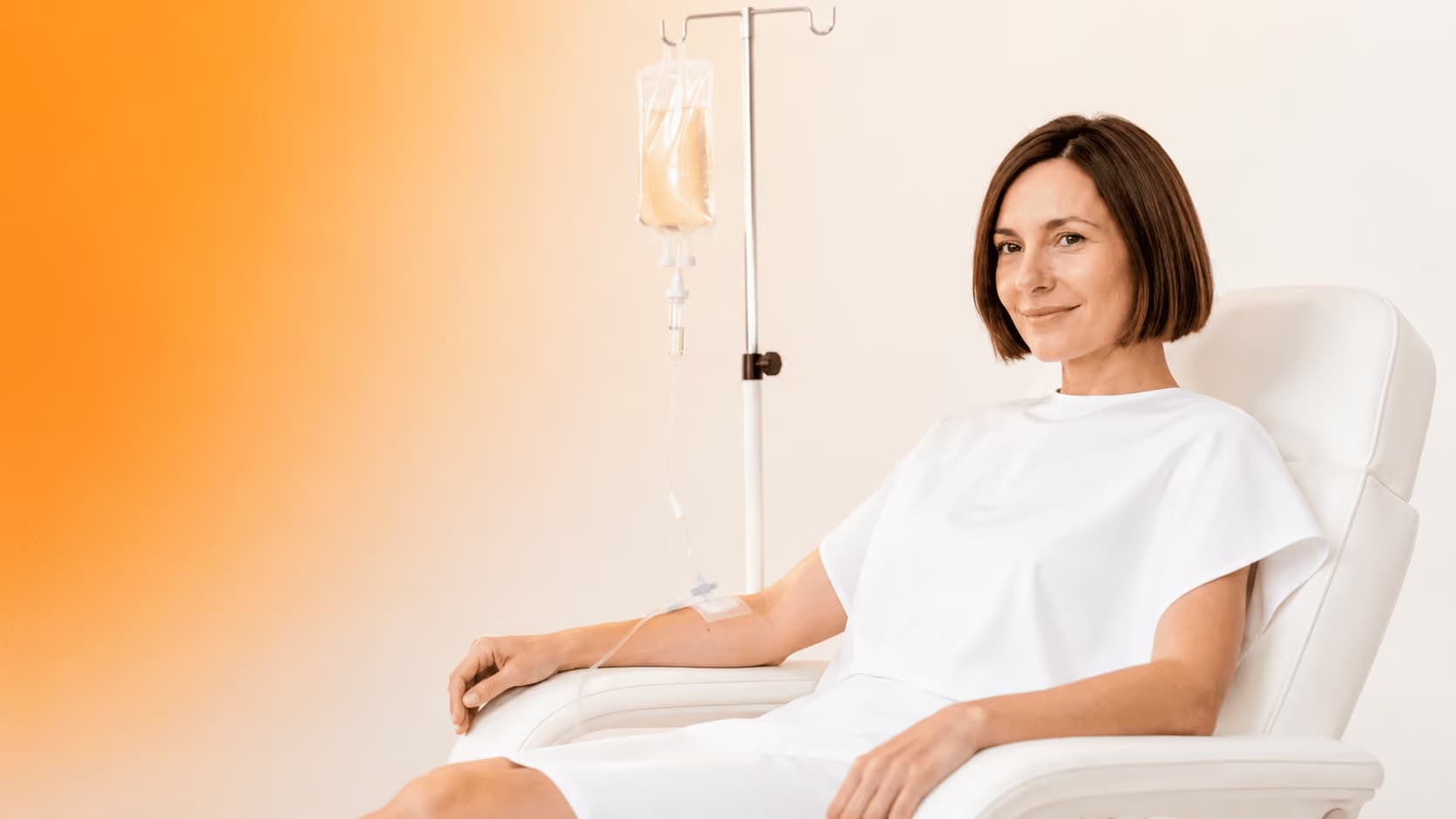
20 to 30 min · as a course or alongside the other protocolsVitamin infusions fit into a global approach to post-operative recovery and tissue repair. They deliver intravenously the vitamins, minerals, amino acids and antioxidants selected for the patient’s context, in order to support the natural mechanisms of recovery, cellular repair and defence against oxidative stress. Within a scar protocol they act as support for the terrain: they do not replace local care, but they accompany the quality of recovery, cellular energy, inflammation and the overall vitality of the body. They can be particularly worthwhile after a surgical procedure, after prolonged fatigue, a loss of tone, or within a complete post-operative protocol.
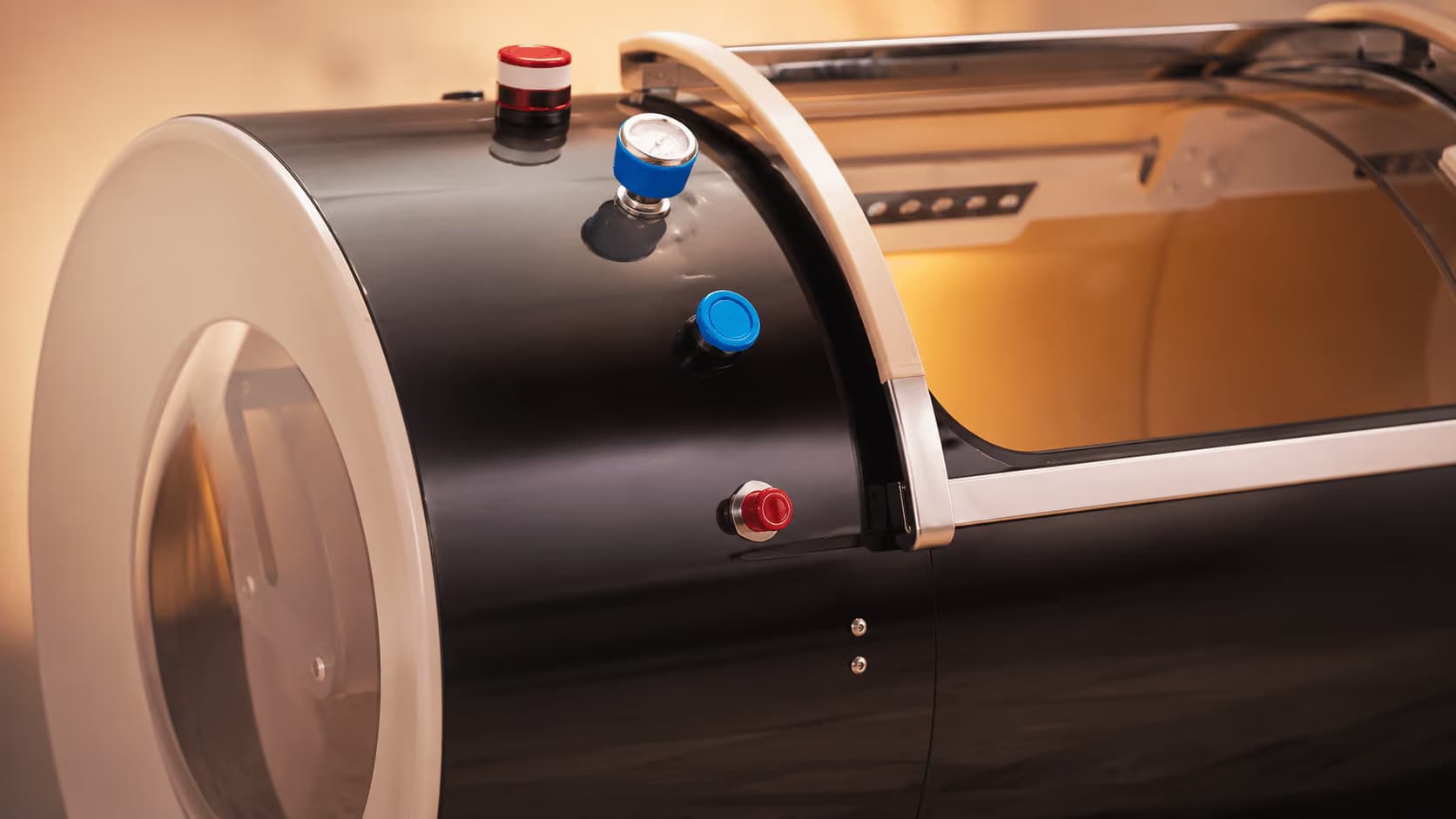
30 to 60 min · a personalised protocol according to the assessment, the medical context and the patient’s needsThe HBOT chamber, or hyperbaric oxygen therapy, aims to increase the oxygen available to the tissues in order to support the natural mechanisms of repair. In post-operative recovery or scar treatment, it can be brought in as supportive care to optimise local oxygenation, encourage tissue recovery and accompany the inflammatory or reparative phases. This approach is particularly worthwhile when the skin needs an environment favourable to healing: after surgery, where tissues are weakened, where there is swelling, inflammation or slow recovery. HBOT fits into a global strategy, alongside manual treatments, LED, Indiba or active infusion protocols. Our experience of tissue recovery assisted by the HBOT chamber shows the recovery period reduced by close to half, while also bringing an antibacterial benefit that encourages a quick return to normal. Care should be started as early as possible, before swelling sets in, that is on the same day or the day after.
90 min · a gradual protocol according to the indication, the stage of healing and medical adviceElite Longevity brings the treatment of marks into a complete strategy: dermal quality, density, radiance, elasticity, skin longevity. Support over time, designed for skin that repairs itself and ages better.
Older scars
Some scars resist.
The ones that have been there for years. The ones already treated elsewhere, without enough result. The ones combining several types of lesion in the same area. The ones on darker phototypes, where the risk of post-treatment hyperpigmentation complicates the choice of technologies.
Those cases are not treated with a single tool. Nor with a standard protocol.

The answer to a resistant scar is the intelligence of the order. Which technology, in which sequence, at what intensity, with what recovery time. That is where the experience of our osteopath Parvaneh Ayati makes the difference between a treatment that progresses and one that goes round in circles.
For these patients we build bespoke combined protocols, several technologies in synergy, attacking the scar on several levels at once.
At the surface, for the pigmentation.
In depth, for the structure.
In light, for the biostimulation.
A ten year old scar responds. It calls for more sessions, more patience, a more precise combination, but it responds. Regularly, patients who had given up on treating a long established scar see results they no longer expected.
Older scars
07 protocolsLaser Harmony XL targets the melanin of pigmented scars and the red areas: it fragments the excess pigment, which is then cleared naturally. It reduces redness. It also improves texture and stimulates cell renewal, alongside the other technologies.
30 to 45 min · 3 to 6 sessions depending on age and intensityCica-Boost is an active infusion protocol designed specifically to work on scars. It delivers a cocktail of regenerating, hydrating and repairing actives locally, in order to support skin quality, improve the suppleness of the scar and accompany the reshaping of areas marked by established fibrosis. When a scar is hard, thick, barely mobile or adherent to the deep planes, the scar tissue can lose elasticity and create local tension. Cica-Boost then fits into a global strategy aimed at improving the comfort, suppleness and evenness of the area. Session after session, the scar gains elasticity, mobility and visual quality. This protocol is particularly worthwhile alongside manual treatments, LED or radiofrequency, especially where the scar shows fibrosis, adherence or a persistent loss of suppleness.
30 to 45 min · 3 to 6 sessions depending on the age of the scar, the fibrosis, the adherence and how it evolvesManual scar massage combines drainage, gentle mobilisation and tissue release in order to support the tissues after a surgical procedure. It is particularly indicated where the scar pulls, hardens, adheres to the deep planes or creates a feeling of discomfort. After surgery, some areas can develop fibrosis, that is a gradual hardening of the tissues, sometimes with adherences that limit the mobility of the skin and of the underlying planes. Manual work then restarts tissue suppleness, mobilises the scar and supports the gradual release of the adherences. This protocol helps reduce tension, reduce excessive fibrosis, improve scar mobility and gradually restore better tissue quality.
45 to 60 min · a personalised protocolIndiba radiofrequency is used to support older scars where the tissues have become hard, thick, barely mobile or adherent to the deep planes. Over time, some scars can develop established fibrosis, create pulling, limit local suppleness or bring on a feeling of persistent tension. Its gentle thermal action stimulates microcirculation, improves tissue oxygenation and gradually encourages the reshaping of fibrosed tissue. With an older scar, the aim is not only to improve the look of the skin, but also to give suppleness, comfort and mobility back to an area sometimes frozen for months or years. Paired with manual massage, drainage and tissue release techniques, Indiba radiofrequency accompanies the work on old fibrosis and adherences. It helps prepare the tissues, reduce scar tension and optimise the response to the other repair or reshaping protocols.
30 to 60 min · several sessions depending on the age of the scar, the degree of fibrosis, the level of adherence and how the tissues respondSkinage 1550 is a non-ablative fractional laser of the Fraxel type, particularly worthwhile in the care of older scars where the skin shows hollows, irregularities of relief, a loss of density or an altered texture. It allows gradual resurfacing with lighter social downtime than an ablative CO₂ laser. Its action rests on creating micro-zones of heat in the dermis, in order to stimulate the production of new collagen and accompany the reshaping of old scar tissue. Session after session, the laser helps smooth the relief, soften the irregularities, improve skin quality and make the scar visually more even. It is particularly indicated where the older scar is marked by a loss of suppleness, an uneven texture, or a crumpled, hollowed or thickened look. The protocol is adapted to the age of the scar, its depth, its relief, the phototype and the skin’s capacity to repair.
45 to 60 min · 3 to 5 sessions recommended depending on depth, age and how the skin respondsLegato III combines fractional radiofrequency and sonophoresis to work on older scars where the tissues show uneven relief, a loss of suppleness, fibrosis or localised thickening. Its controlled thermal action stimulates collagen production and accompanies the gradual reshaping of the scar tissue. Fractional radiofrequency creates targeted stimulation of the skin, while sonophoresis optimises the infusion of regenerating actives at the end of the procedure. Depending on the indication, a personalised cocktail can be paired with it, based on exosomes, polynucleotides, PRP or repairing actives, in order to support the quality of repair and the evenness of the scar. Session after session, the protocol aims to soften the tissues, improve the texture, smooth the irregularities of relief and make the older scar more supple, more even and better integrated with the surrounding skin. The procedure is carried out under local topical anaesthetic.
45 to 60 min · 1 to 3 sessions recommended depending on age, fibrosis, relief and how the skin respondsScar dermopigmentation is a medical camouflage technique intended for older scars whose colour remains visible, particularly where they appear white, pale, depigmented or in contrast with the surrounding skin. It consists of implanting specific pigments in the skin in order to bring the tone of the scar gradually closer to the natural complexion. This approach is particularly worthwhile where the scar is stable, non-inflammatory, not evolving and old enough to be worked on safely. Before any session, a precise analysis is carried out: colour of the scar, phototype, texture, relief, suppleness, age, any adherences and the quality of the scar tissue. Dermopigmentation does not modify the deep structure of the scar, but it improves how it blends in visually. It can be offered on its own or alongside a reshaping protocol, once the fibrosis, the relief or the adherences have already been addressed. The result builds gradually, with a personalised choice of pigments and one or more touch-ups in order to reach the most natural correction possible.
60 to 90 min · 1 to 5 sessions depending on the colour, the extent, the stability of the scar and the pigment responseFAQ
Completely, rarely. Softened to the point of no longer being noticeable in daily life, very often. Scar tissue remains structurally different from the original skin, but aesthetic medicine protocols allow near visual invisibility to be reached in many cases.
The result depends on the type of scar, its age, its depth, its colour and the number of sessions carried out. Where the scar is old, stable and depigmented, dermopigmentation can complete the reshaping work by harmonising its tone with that of the surrounding skin. It does not erase the scar, but it often makes it far less visible.