

Skip to content

First visit

Let our experts guide you to the right protocol.

Start my assessment

The programme

Elite Longevity

A year-long programme bringing the three pillars together around a personal measurement index.

See the programme

First visit

Let our experts guide you to the right protocol.

Start my assessment

Skincare Agency Paris

Silhouette

Redrawing the silhouette, a personalised approach

Cellulite, localised fat, stretch marks, skin laxity, scars. Behind those words, often wrongly lumped together, lie very different mechanisms. Skincare Agency never treats the silhouette in a standardised way. It is read, analysed, then worked on with technologies and protocols suited to your morphology, your skin and your objective.

Our approach

A silhouette is treated with method

A harmonious silhouette does not depend on a single lever. What belongs to skin quality, to fat distribution, to tissue laxity or to dermal scarring has to be told apart. It is precisely that medical reading that allows a coherent, realistic and gradual protocol to be proposed.

  1. 01

    Observe

    Understanding the area, the relief, the texture and the skin quality before choosing a technology.

  2. 02

    Distinguish

    Not confusing cellulite, a localised fat pad and a stretch mark, because those three indications answer neither to the same causes nor to the same treatments.

  3. 03

    Compose

    Combining several techniques where needed, to act on volume, on skin tension and on the overall visual quality of the silhouette.

Portrait of Vanessa Marrapodi, founder of Skincare Agency Paris.
The right treatment always begins with a good body analysis, because the indications are often multiple.

Vanessa MarrapodiFounder of Skincare Agency Paris

Cellulite

Visible dimpling, uneven relief, orange peel skin

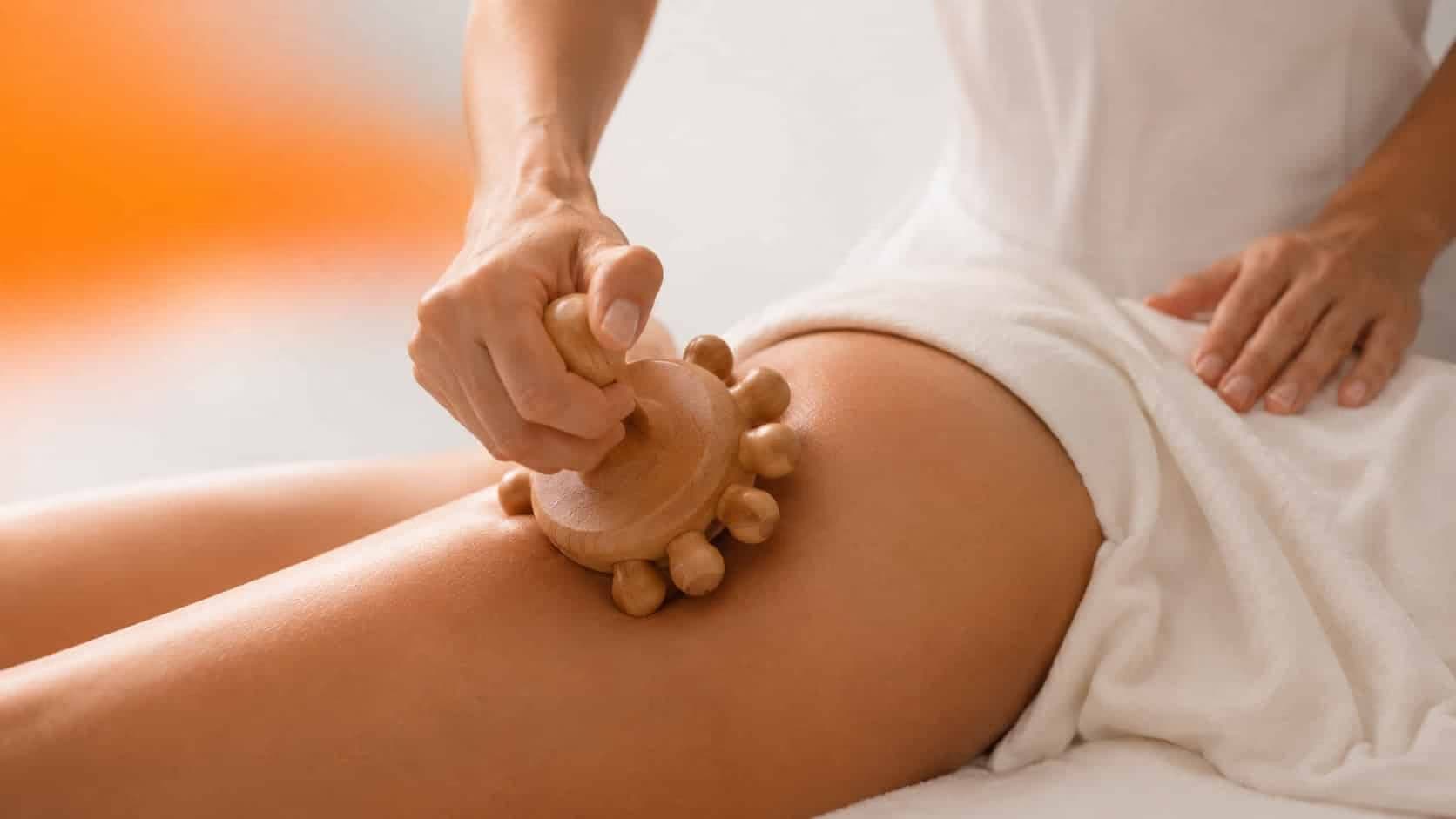
Cellulite does not refer to a single reality. It can show in movement or at rest, be light or more established, diffuse or concentrated on certain areas. Behind one word lie very different expressions of the silhouette, with needs that are not all treated in the same way.

Thigh and hip showing a dimpled relief.

The same visual concern, several mechanisms

Some cellulite is mainly linked to localised excess fat, some to more marked fibrosis, and some to a loss of skin tone that accentuates the dimpled look. It is that medical reading of the area that guides a coherent, more precise course of care, with a more elegant result.

Cellulite

06 protocols

Our solutions

Recovering a more legible silhouette, without seeking to change it

Treating the silhouette does not mean transforming it abruptly. It means rebalancing a relief, smoothing an area, improving a texture and recovering a truer feeling in your clothes as much as in how you see yourself.

Localised fat

Targeted pads, resistant volumes, less defined contours

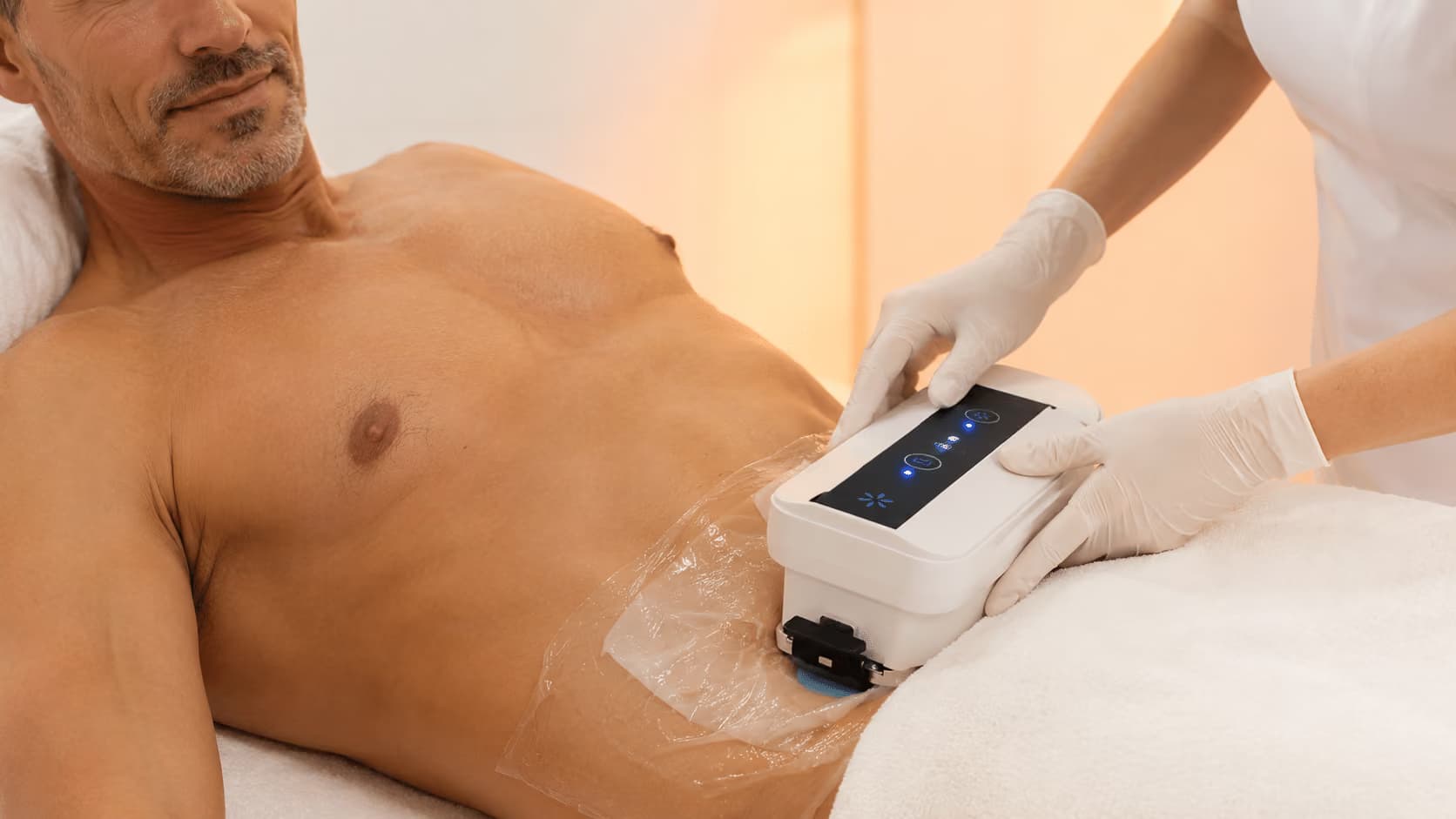
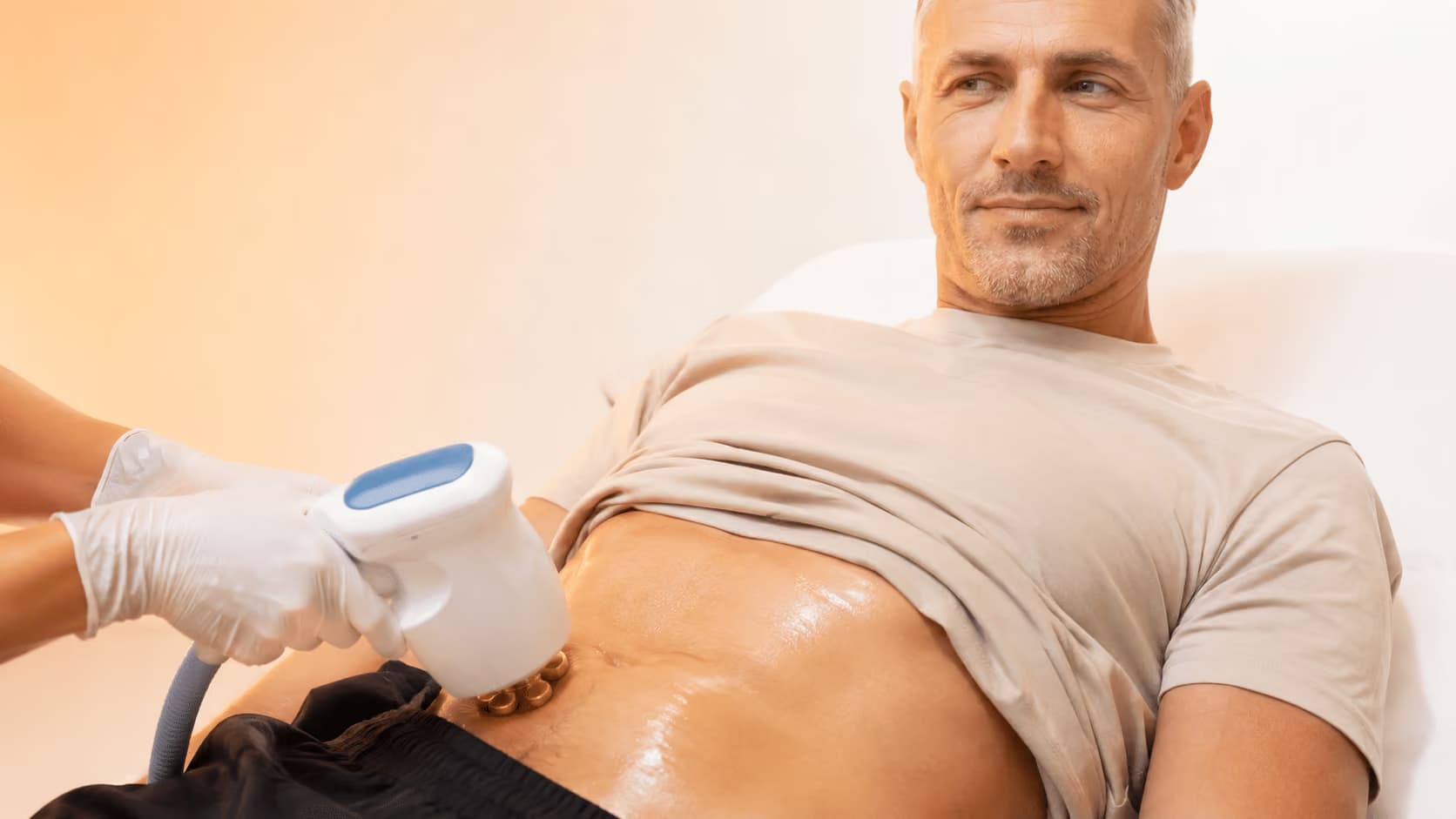
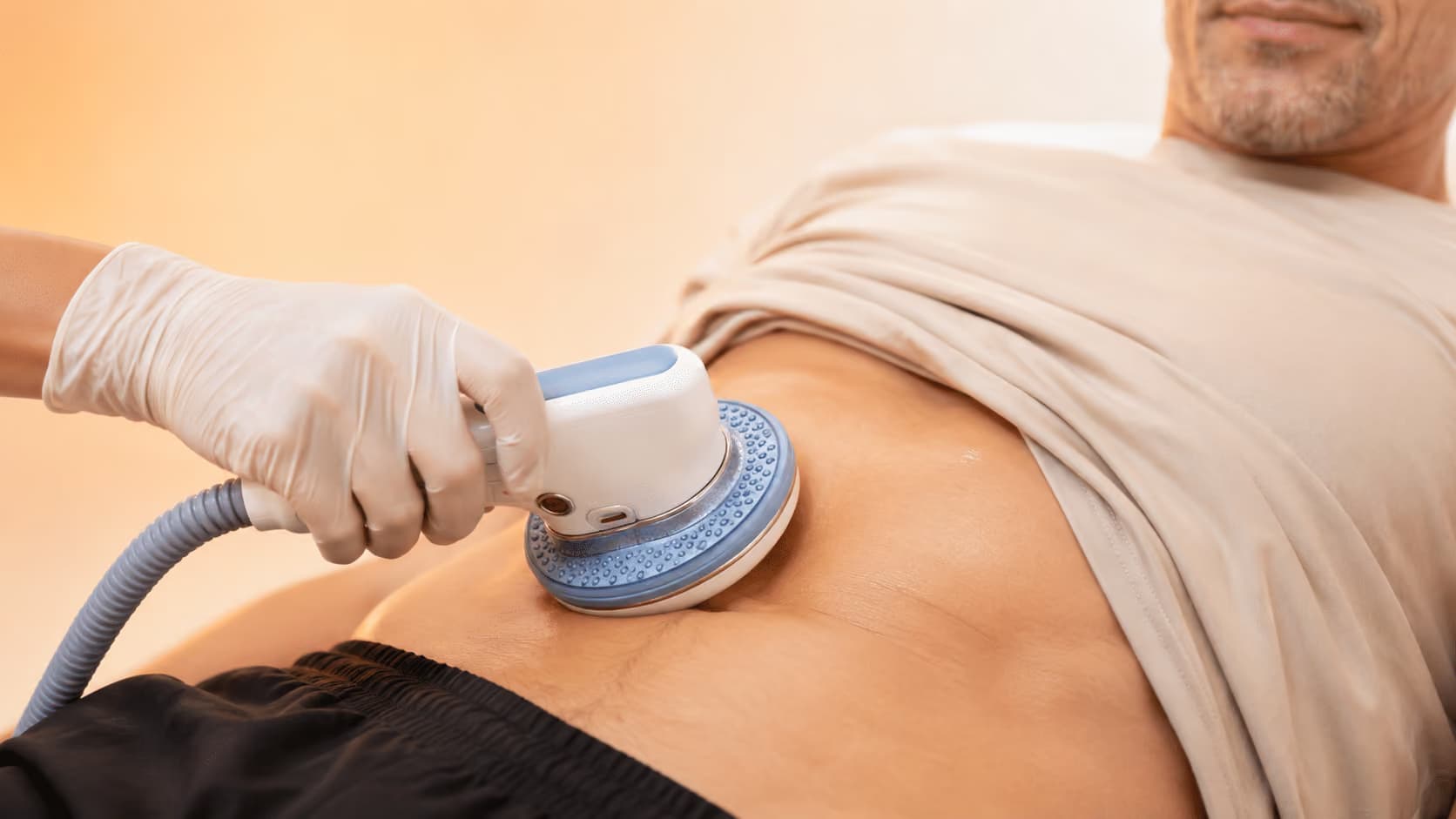
Some areas of the silhouette hold on more than others. Despite a balanced way of life, fat deposits can persist and change the line of the stomach, the hips, the thighs or the arms. They are not necessarily large volumes, but they are enough to change the visual balance of the body.

Close-up of the stomach and flanks, an area of localised fat.

A more harmonious silhouette, area by area

Localised fat calls for a targeted, measured and realistic approach. The idea is not to slim at any cost but to rework a precise area to recover a sharper contour, a more legible silhouette and a truer feeling in your clothes as much as in how you see yourself.

Localised fat

06 protocols

Our solutions

Discover our Elite Longevity programme

Some body transformations do not read at the surface alone. The Elite Longevity programme opens a broader approach, based on evaluation, prevention and the overall optimisation of the terrain.

Body laxity

Slackened skin, loss of firmness, less defined contours

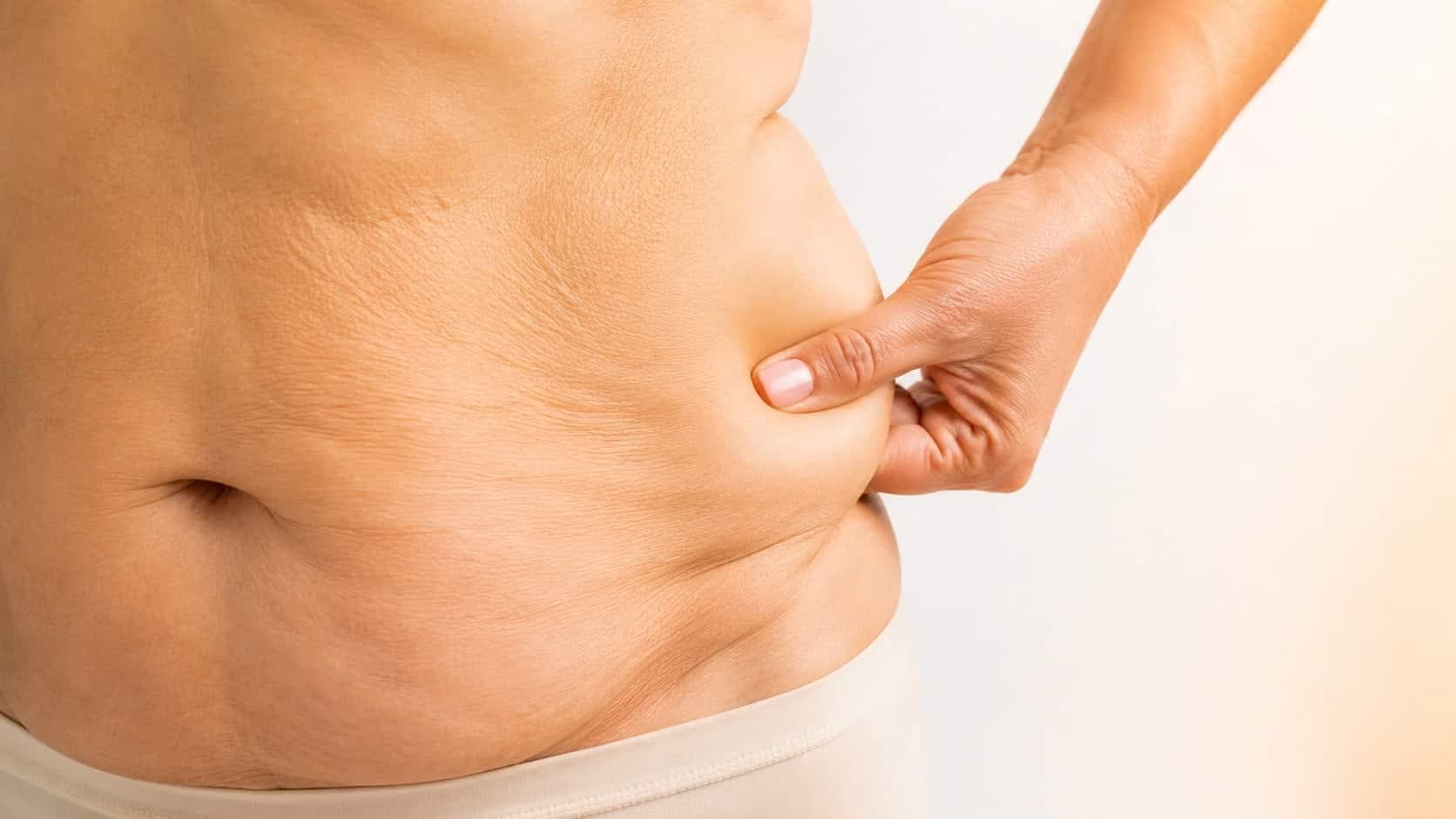
With time, pregnancy, weight changes or simply natural ageing, the skin of the body gradually loses its firmness. Arms, stomach, thighs, knees, décolleté: the areas concerned are many and the concern is often a daily one. Body laxity results from a triple loss: collagen, elasticity and muscle tone.

The point is to restructure in depth, stimulate the production of new collagen, densify the tissues and tone the muscular support in order to recover firm skin and redefined contours.

Skin of the stomach pinched between two fingers, loss of firmness.

Body laxity

07 protocols

Our solutions

Water retention

Heavy legs, swelling, a feeling of volume

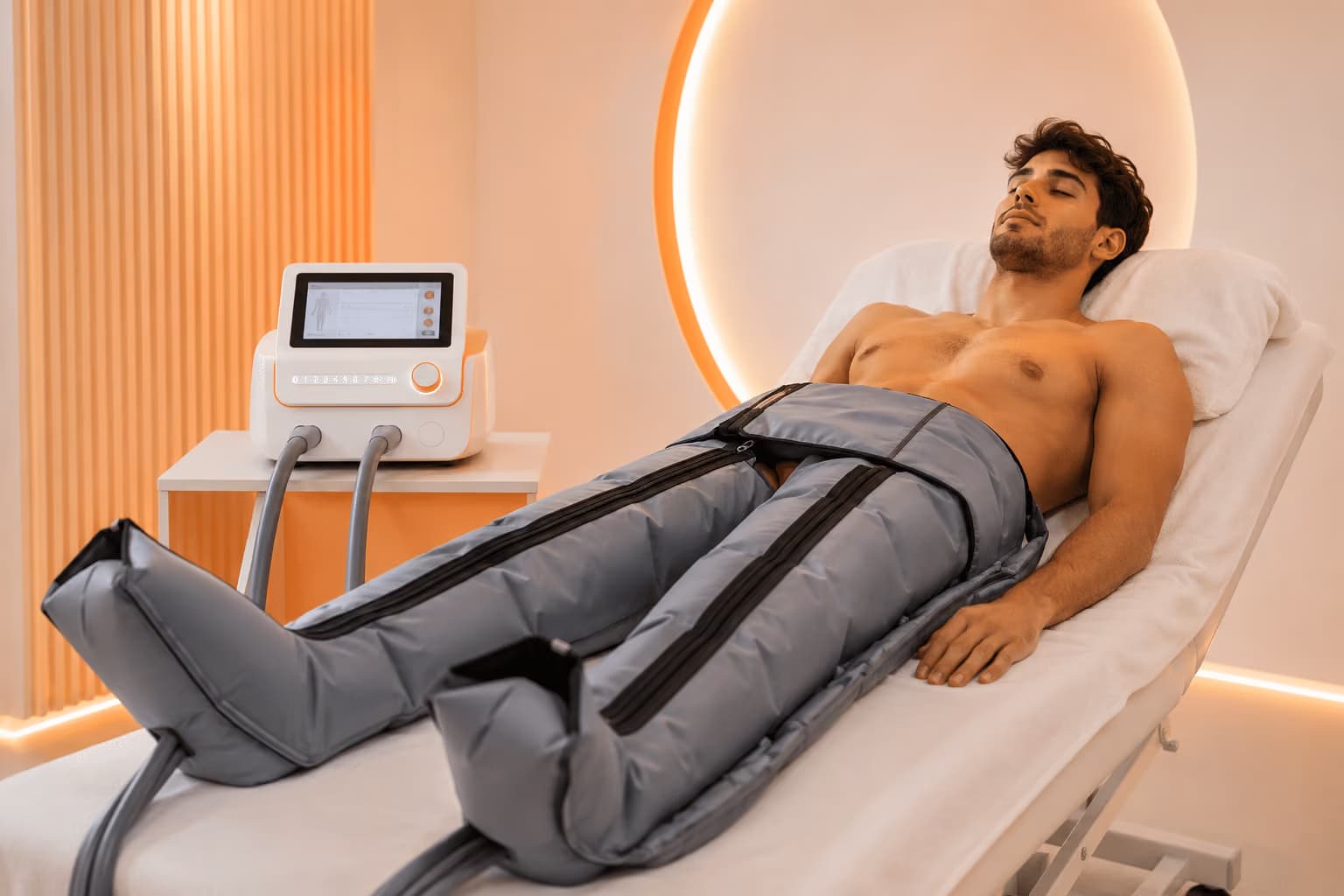
Water retention is not always visible but it is felt: heavy legs, swollen ankles, a fluctuating feeling of volume, tight skin. It results from a slowdown in lymphatic and venous drainage: fluids build up in the tissues instead of being cleared. Stress, a sedentary life, heat, hormonal imbalances or a salt-rich diet can amplify it.

The point is not to mask the symptoms but to start by objectifying the problem, then to restart the natural mechanisms of clearing for a lasting result.

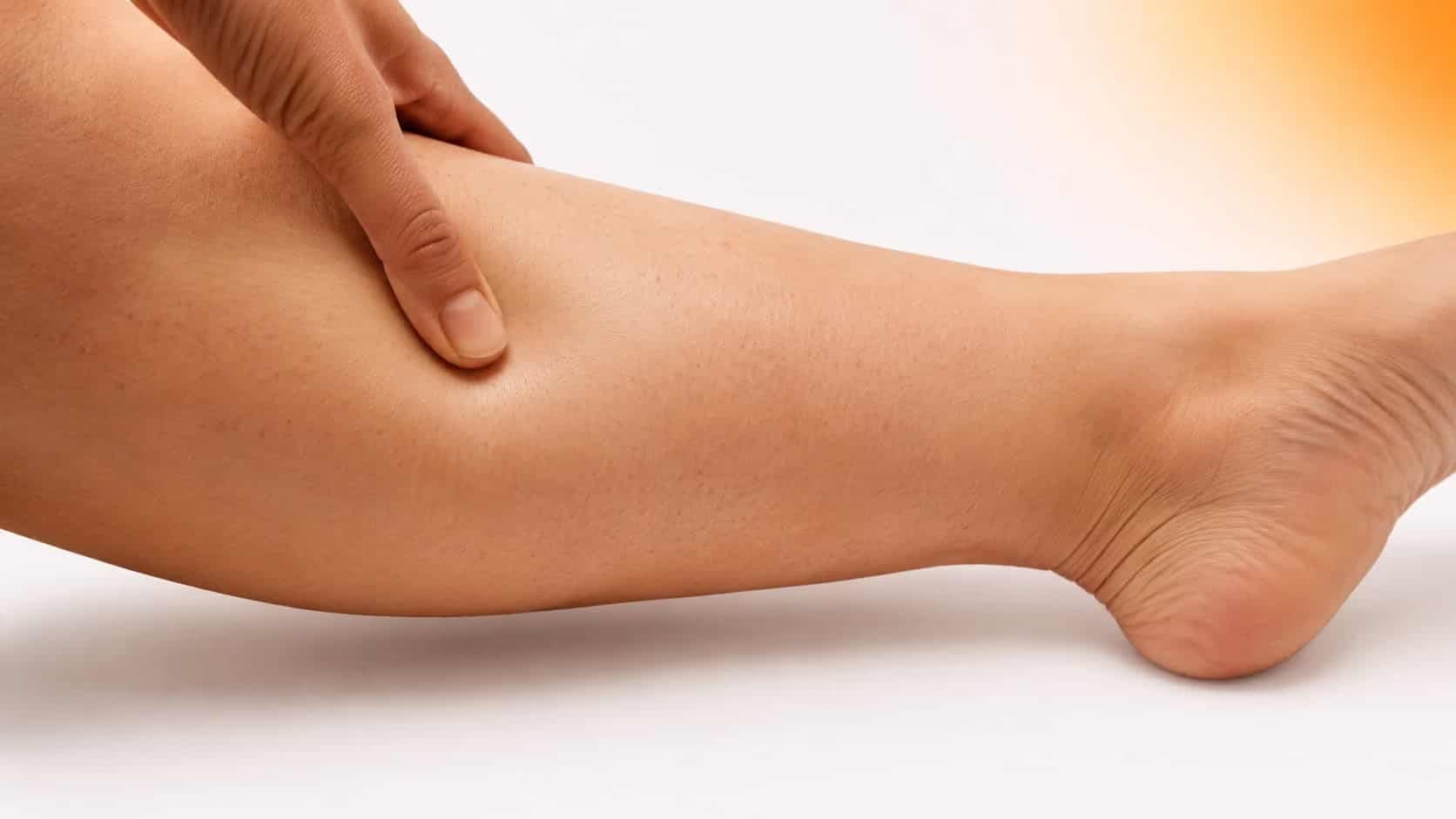
A hand pressing a calf to gauge swelling.

Water retention

03 protocols

Our solutions

Stretch marks

Recent or established stretch marks, marked skin

Stretch marks tell of tension in the skin. They can appear after a change in weight, a pregnancy, a hormonal change or simply as the body evolves. Red, pink, purplish or paler over time, they do not all have the same age, nor the same potential for improvement.

Stretch marks on the flank and lower stomach.

A skin mark that is never treated at random

A recent stretch mark does not read like an old one. The colour, the depth, the width and the area concerned guide the care. The aim is to improve the look of the skin, soften the visual mark and recover a more even texture, with a protocol suited to the reality of the treated area.

Stretch marks

04 protocols

Our solutions

Scars

Visible marks, fibrosis, swelling, altered texture

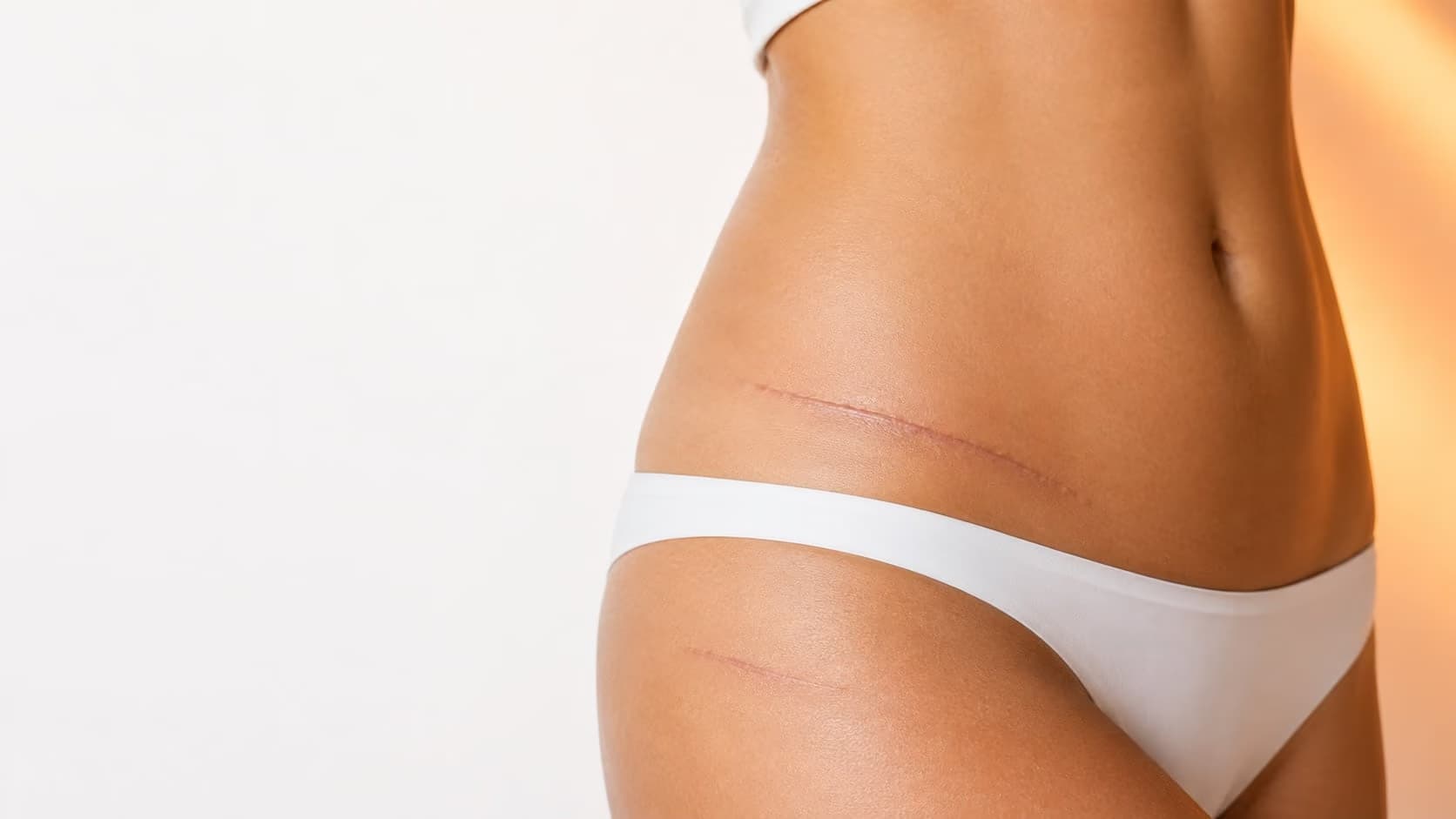
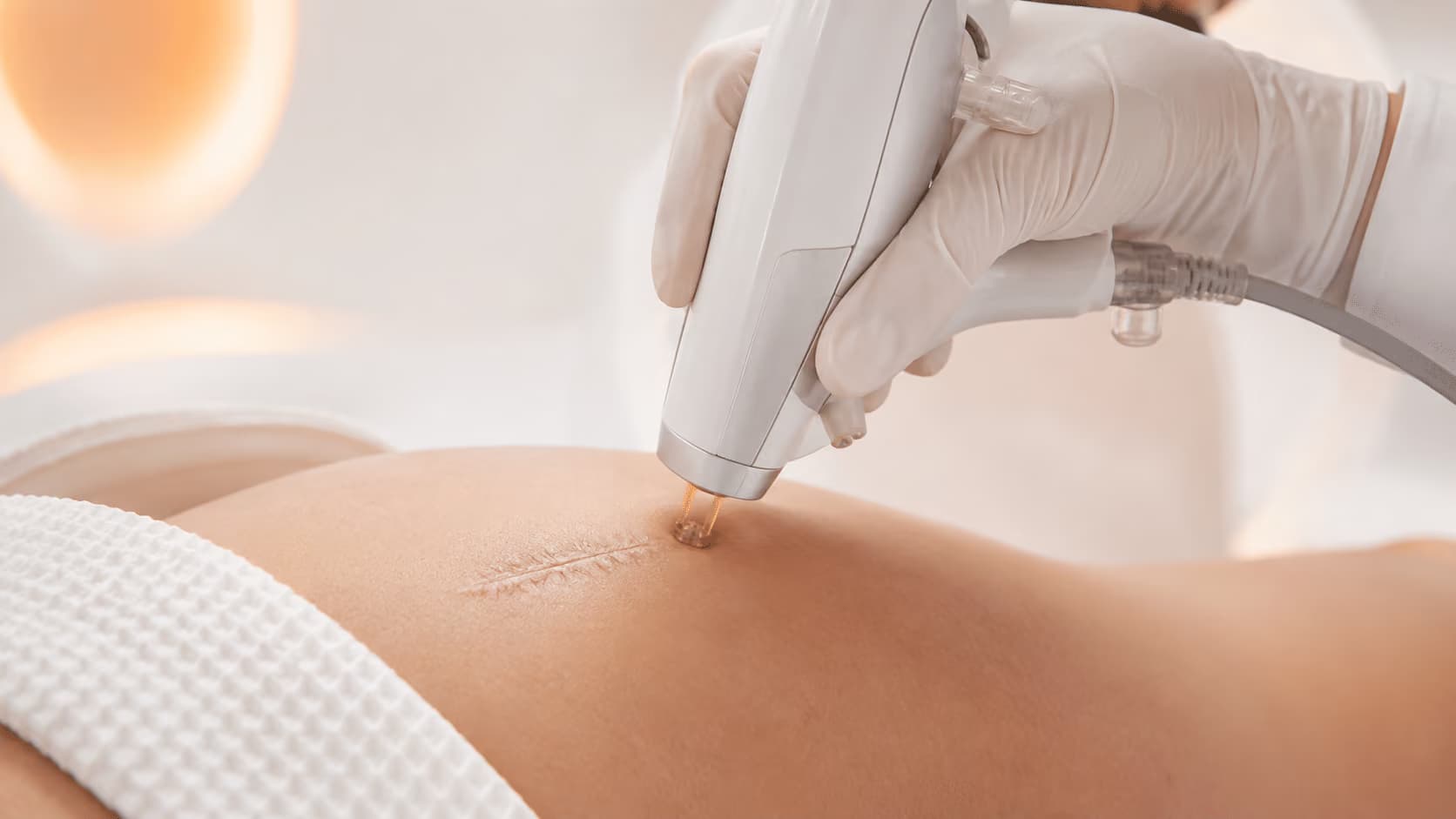
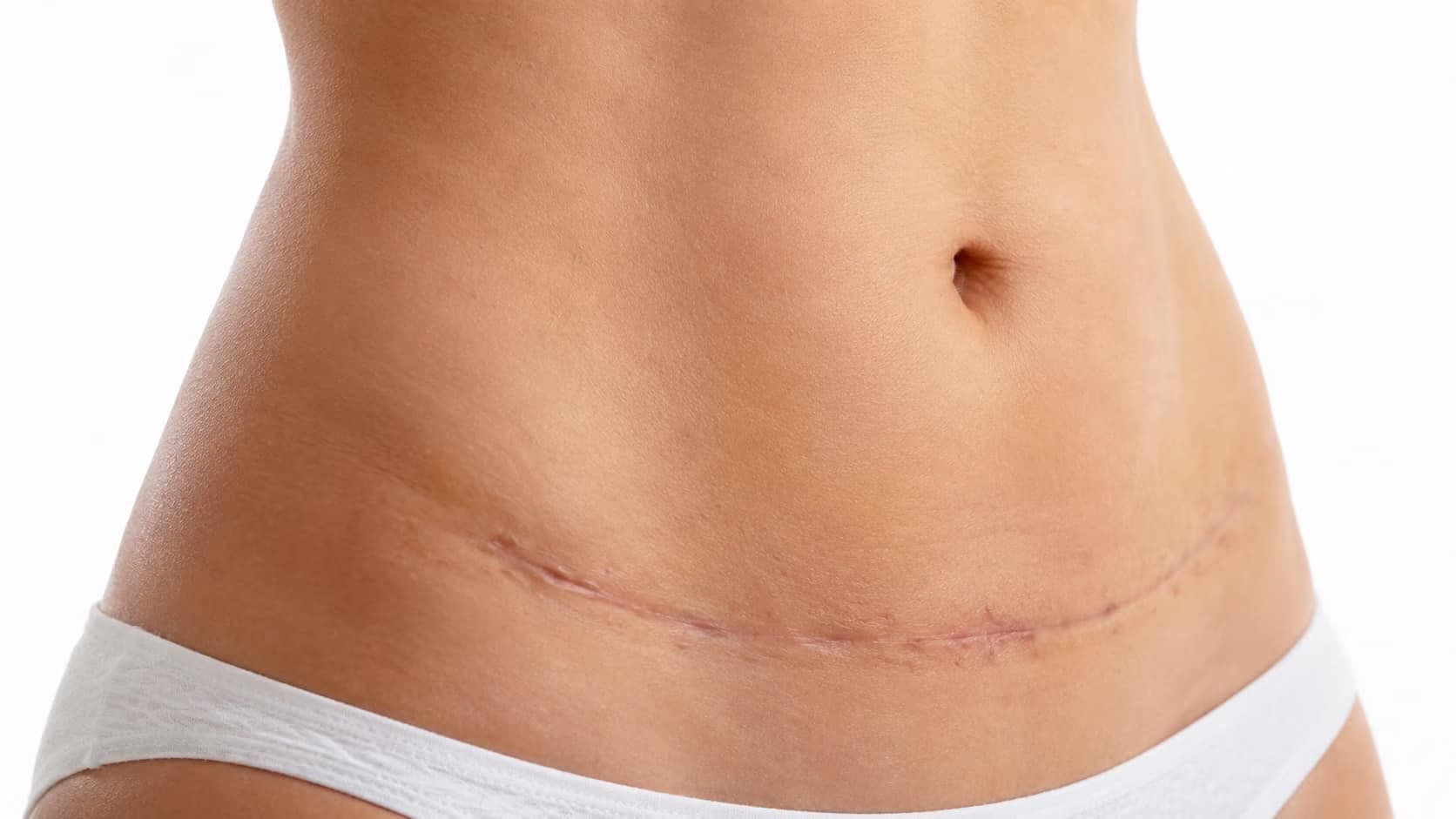
Scars are the visible trace of a process of skin repair: surgery, acne, a burn, a trauma or a caesarean. Depending on their nature, they can be atrophic (hollow), hypertrophic (raised), keloid (overgrown) or dyschromic (coloured). Beyond the visible aspect, scars can generate deep fibrosis, tissue adherences and persistent swelling that disturb the balance of the tissues and the recovery.

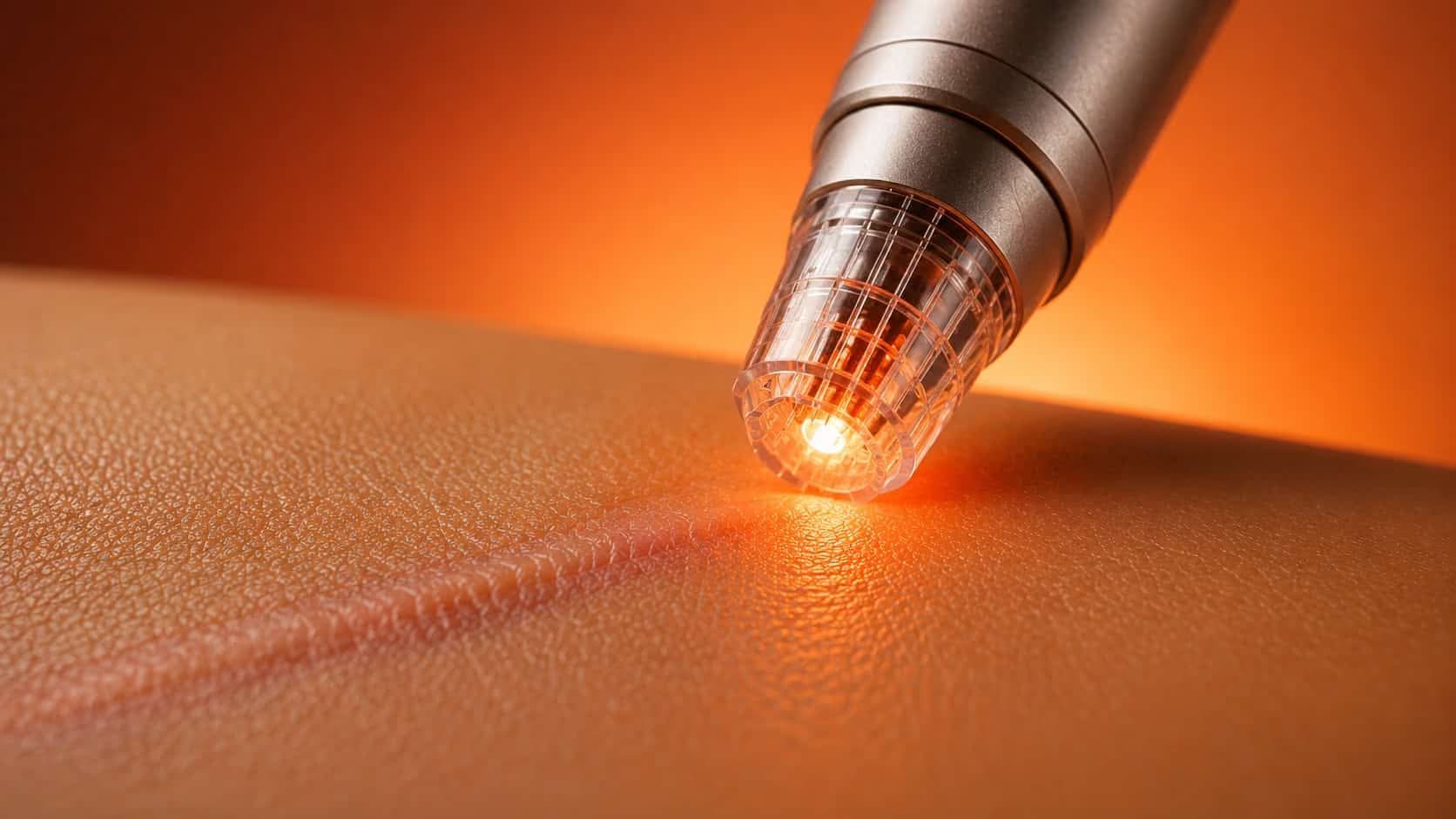
The point is to reshape the scar structure, release the fibrosis and adherences, drain the swelling, stimulate the production of new collagen and even out the texture and the colour in order to recover smoother, more functional skin.

Horizontal scar on the lower stomach.

Scars

06 protocols

Our solutions

Post-operative

Supporting the surgery, optimising the result

Any surgery disturbs the natural balance of the body. Swelling, bruising, fibrosis, adherences: those reactions are normal but can compromise the aesthetic result if they are not supported. Structured follow-up from the day after the procedure is essential to speed up recovery and maximise the final result.

Abdominal surgical scar in the process of maturing.

Post-operative

05 protocols

Our solutions

Lymphatic drainage & tissue release

Post-operative drainage with Parvaneh Ayati

  • Post-operative drainage, Parvaneh Ayati
  • Intervention from the day after surgery
  • Specific post-operative lymphatic drainage
  • Rapid reduction of swelling
  • Prevention of scar fibrosis and adherences
  • Release of deep tissue tension
  • Faster resorption of bruising
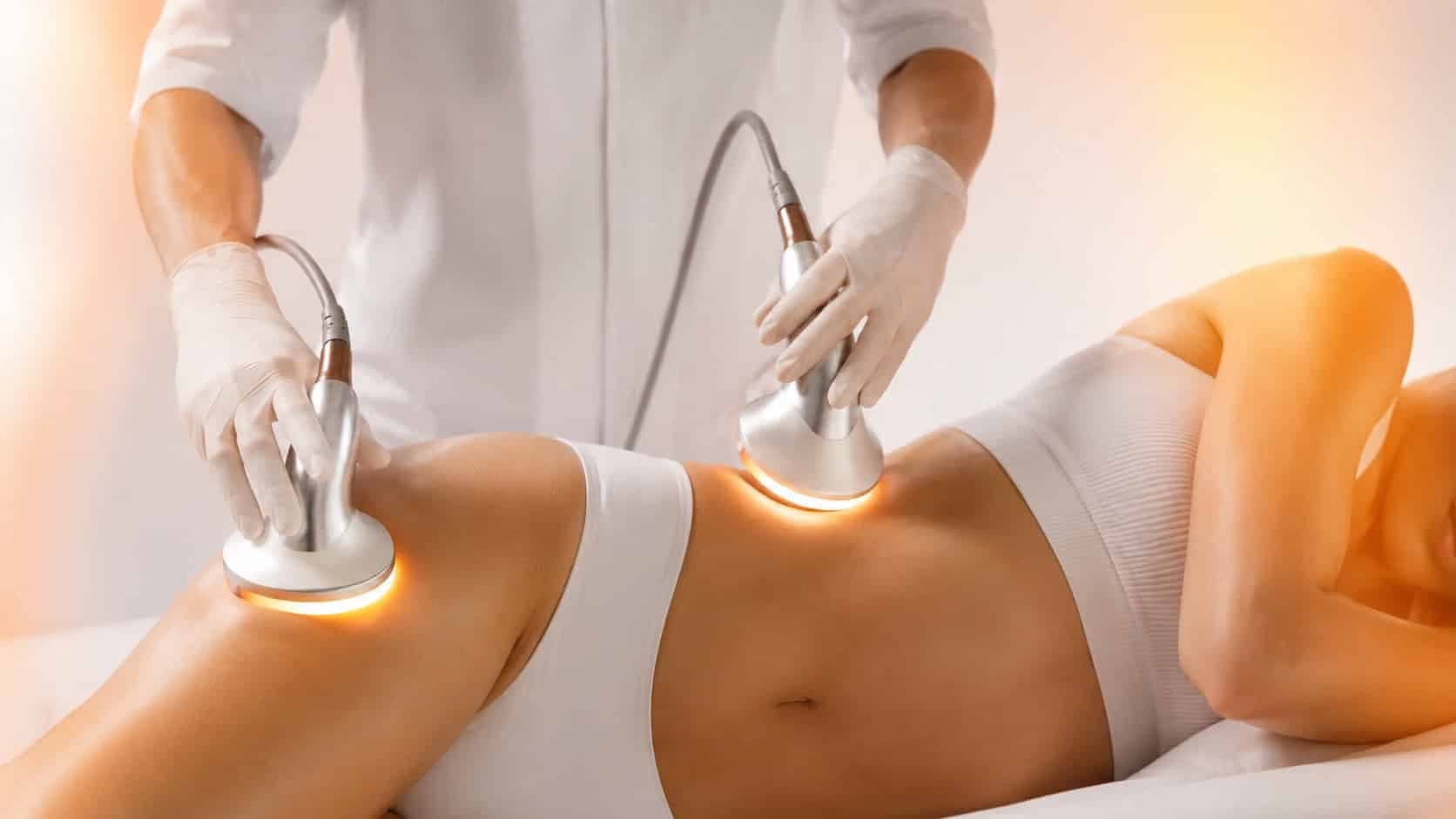
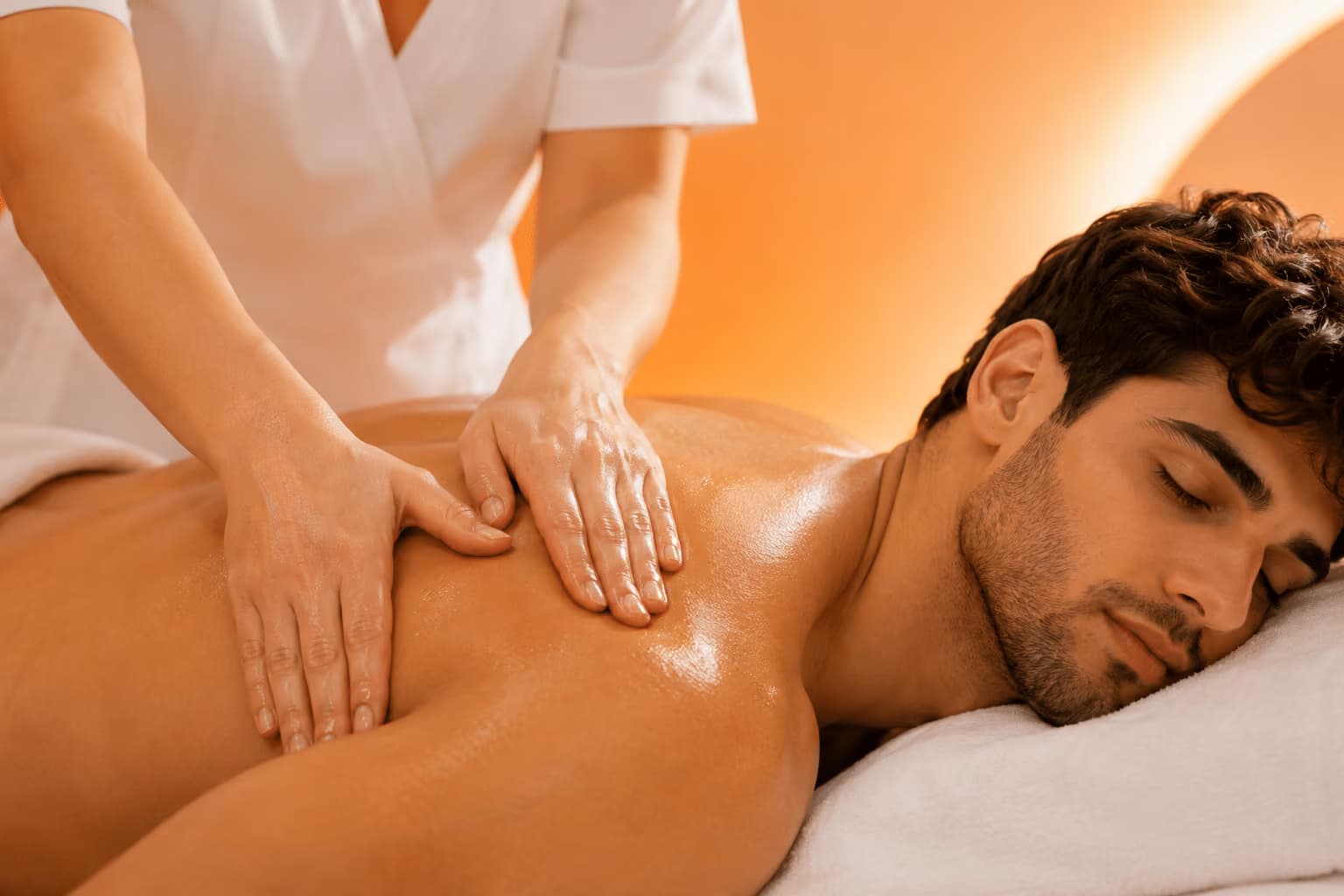
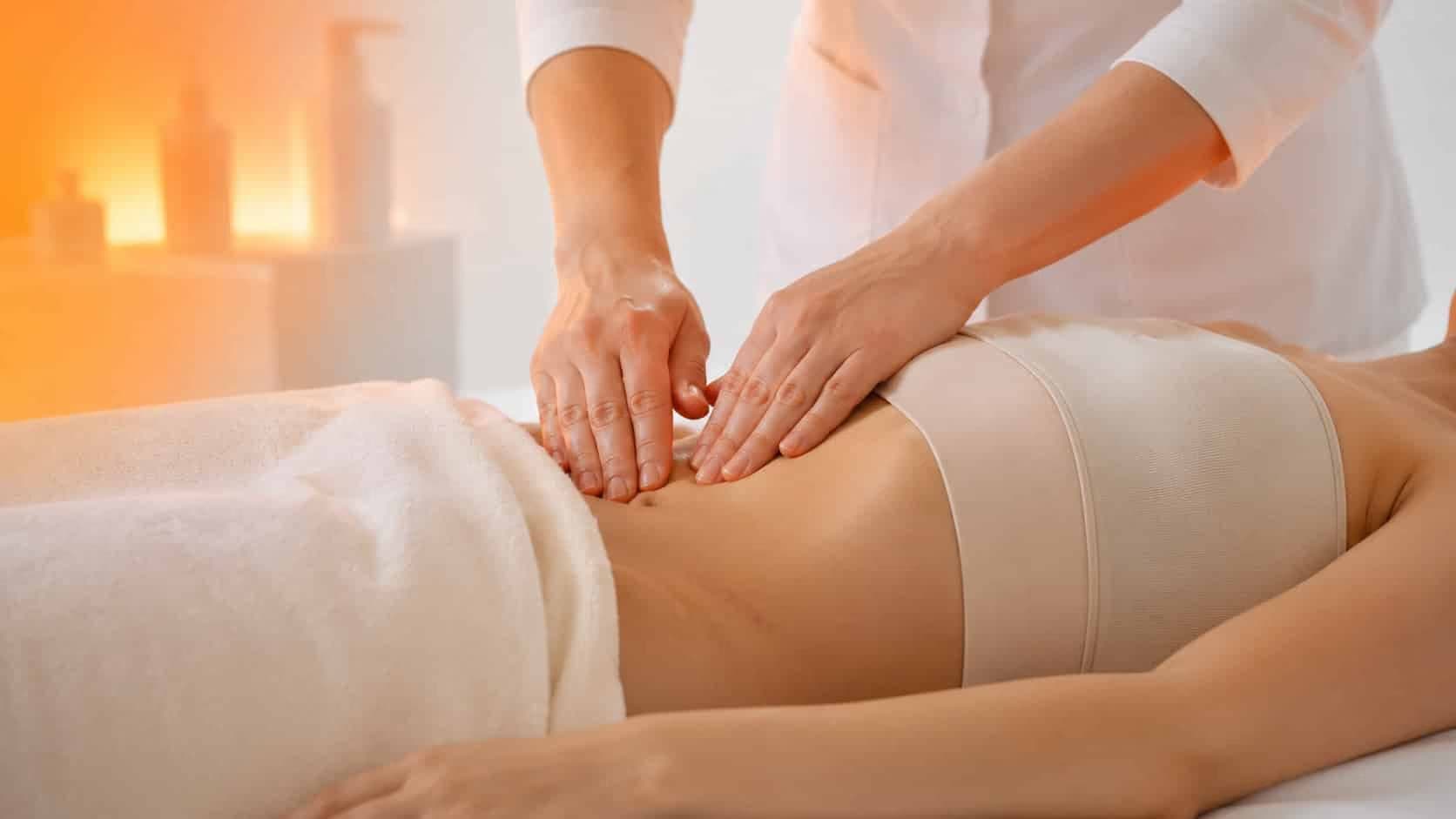
Parvaneh Ayati, an osteopath specialising in post-operative care at Skincare Agency, works from the deepest to the most superficial: releasing mechanical blockages, restoring the flows, then working on the tissues and the skin. By combining manual techniques with technologies (radiofrequency, ultrasound, phototherapy), she drains swelling, prevents fibrosis and speeds up recovery. The earlier the intervention, the less fibrosis settles in.
Length: 45 to 60 min, a personalised protocol from day 1
Lymphatic drainage & tissue release

Post-operative drainage with Parvaneh Ayati

  • Post-operative drainage, Parvaneh Ayati
  • Intervention from the day after surgery
  • Specific post-operative lymphatic drainage
  • Rapid reduction of swelling
  • Prevention of scar fibrosis and adherences
  • Release of deep tissue tension
  • Faster resorption of bruising

Parvaneh Ayati, an osteopath specialising in post-operative care at Skincare Agency, works from the deepest to the most superficial: releasing mechanical blockages, restoring the flows, then working on the tissues and the skin. By combining manual techniques with technologies (radiofrequency, ultrasound, phototherapy), she drains swelling, prevents fibrosis and speeds up recovery. The earlier the intervention, the less fibrosis settles in.

Length: 45 to 60 min, a personalised protocol from day 1
Oxygenation & faster healing

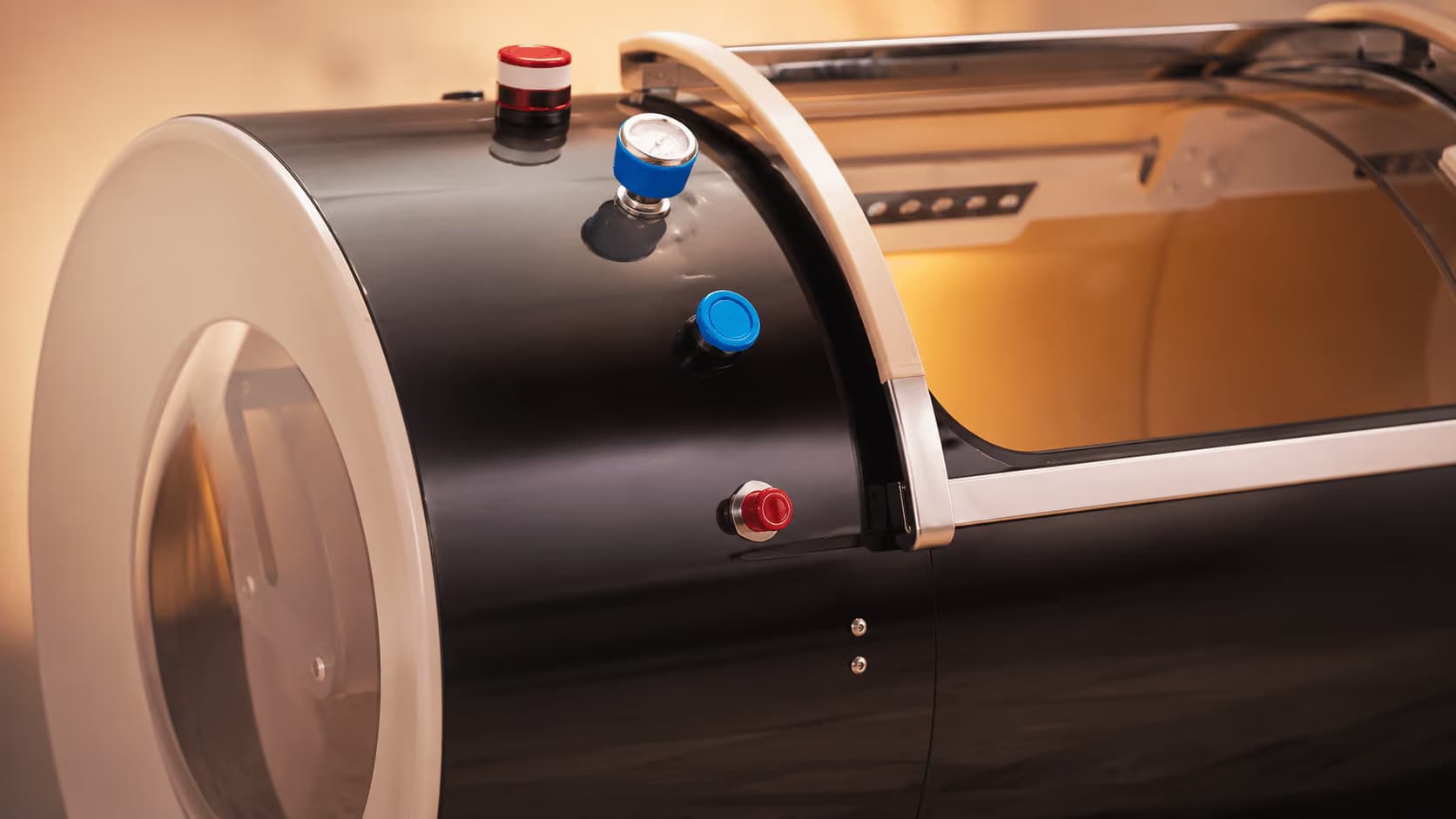
Post-operative HBOT chamber

  • Hyperbaric oxygen therapy from the day after
  • Saturation of the tissues with pure oxygen under pressure
  • Faster reduction of swelling and inflammation
  • Prevention of fibrosis through better organised healing
  • Rapid resorption of bruising

The HBOT chamber saturates the operated tissues with oxygen, speeding up the resorption of swelling and giving the fibroblasts the energy to produce quality collagen. By encouraging fast, organised healing, HBOT prevents excessive fibrosis and adherences.

Length: 60 to 90 min, an intensive protocol from day 1
Collagen stimulation & regeneration

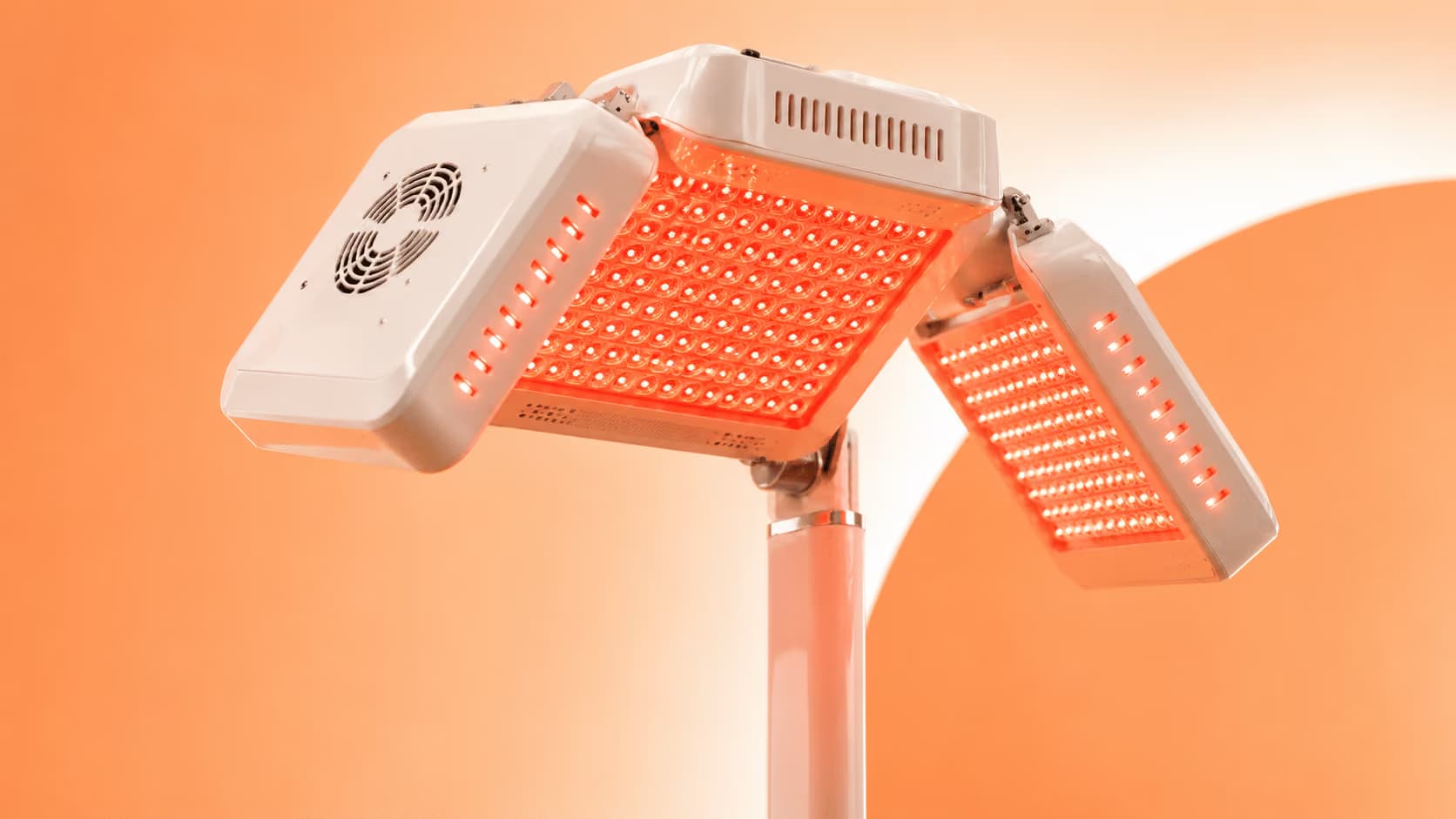
Post-operative Red Light Bed

  • Infrared light therapy from the day after
  • Stimulation of mitochondrial ATP
  • Activation of collagen and elastin production
  • Reduced inflammation and swelling
  • Faster scar maturation

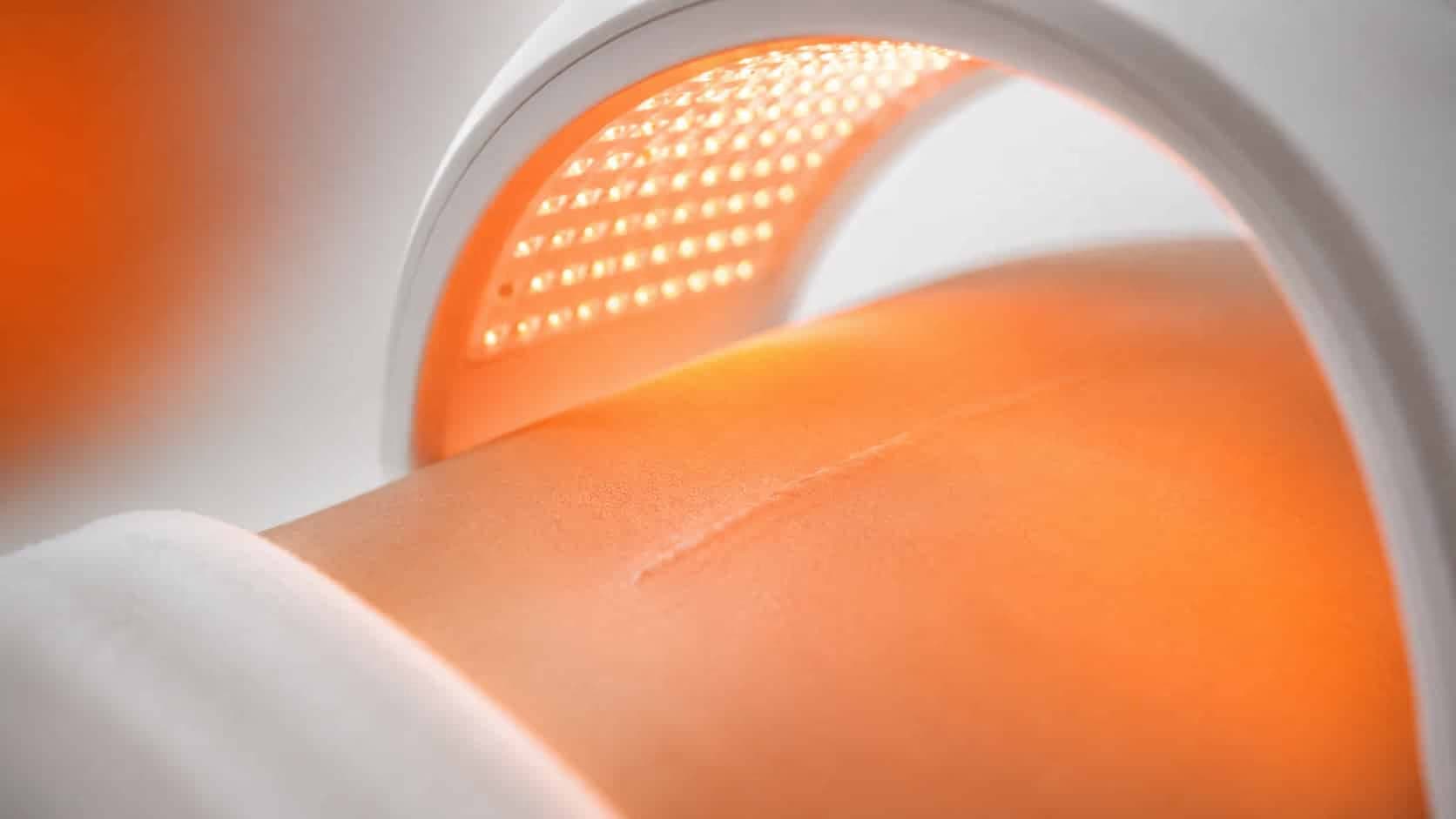
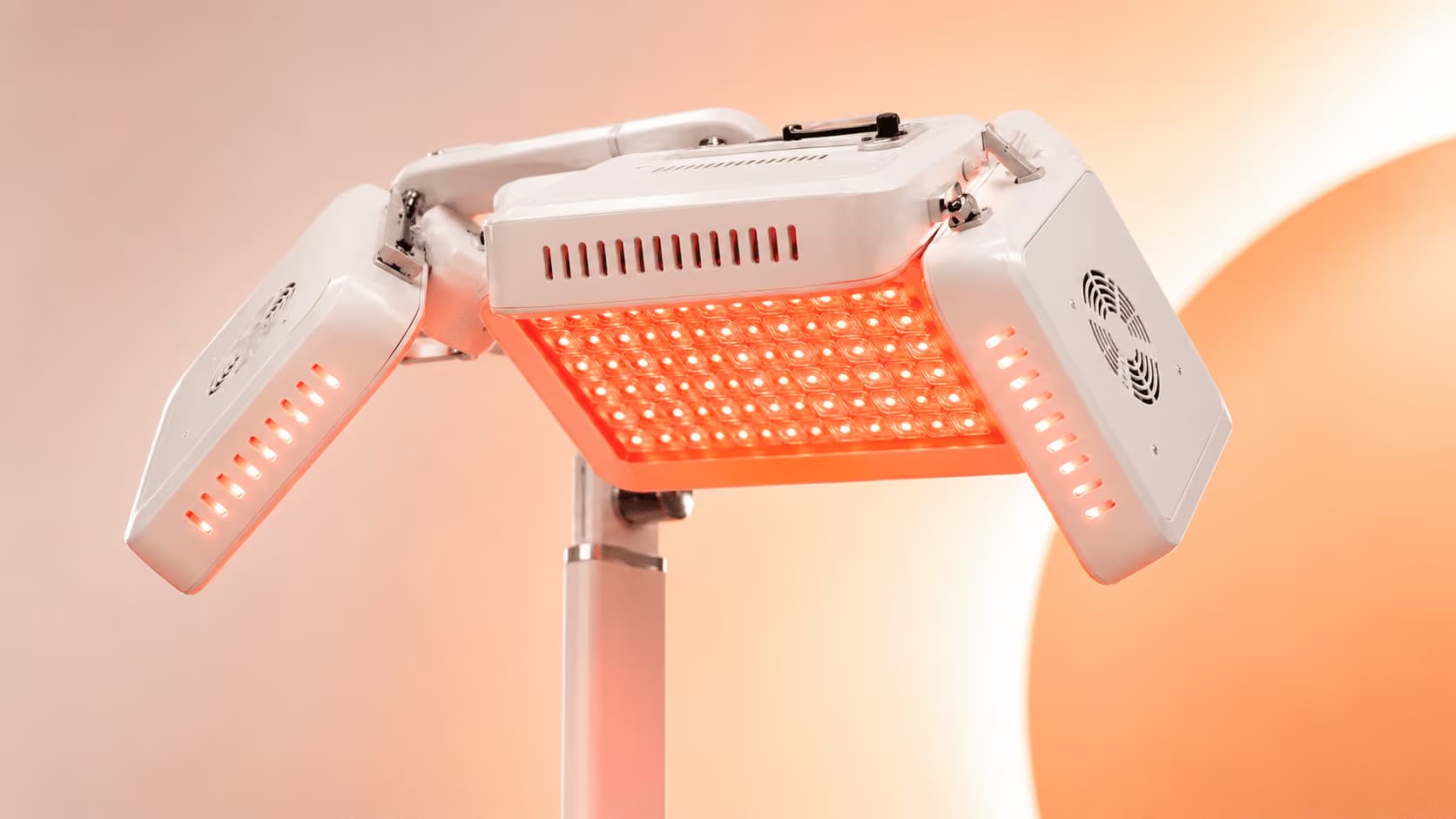
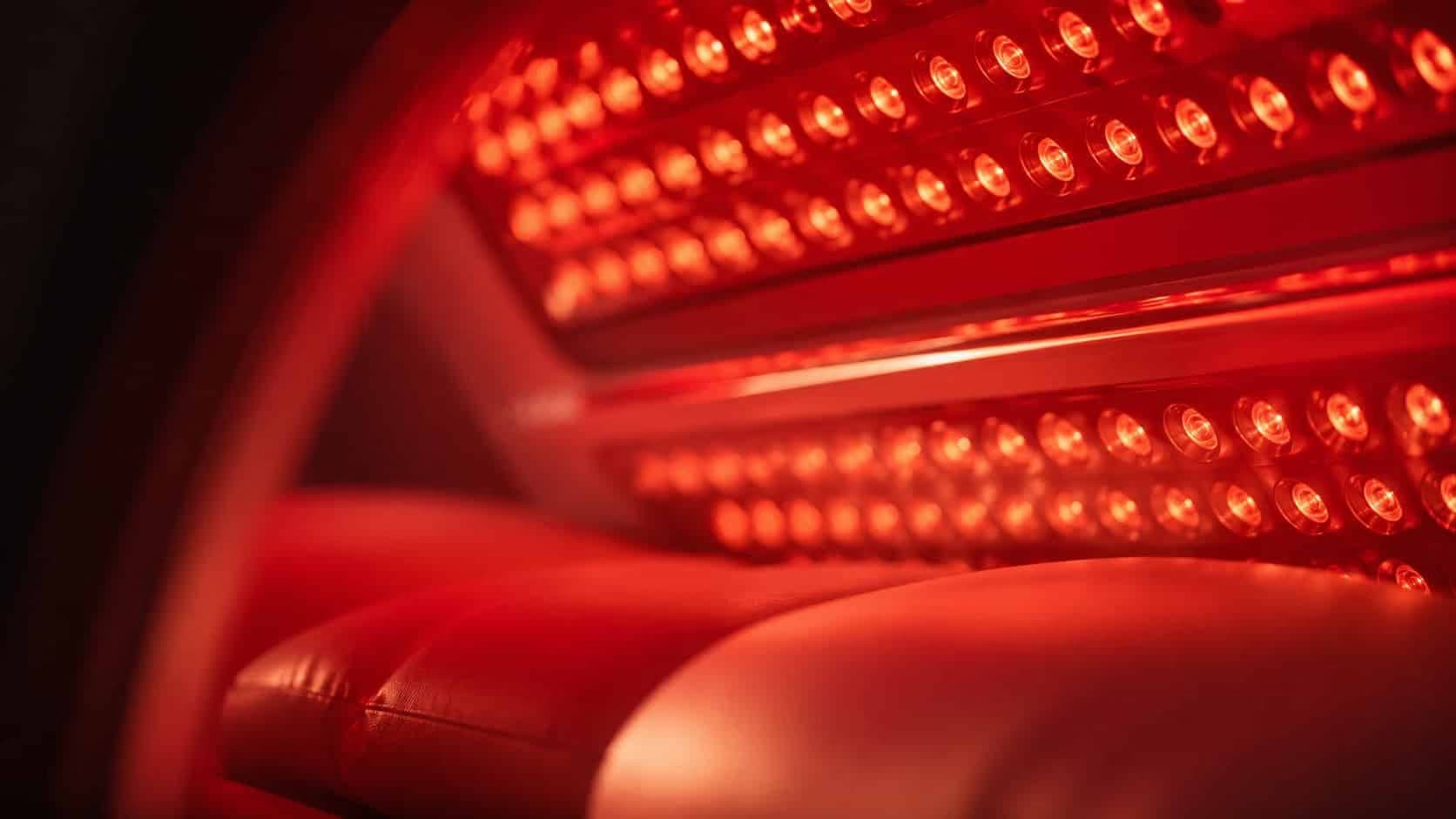
The Red Light Bed stimulates the mitochondria through infrared light therapy, increasing ATP production and collagen synthesis. Alongside Parvaneh Ayati’s drainage and HBOT, it creates an optimal synergy: mechanical drainage + oxygenation + cellular stimulation.

Length: 15 to 20 min a session, a continuous protocol from day 1
Cellular nutrition & recovery

Post-operative vitamin therapy

  • Targeted supply of vitamins and micronutrients from day 1
  • Vitamin C (collagen synthesis), zinc (healing), vitamin A (cell renewal)
  • Vitamin E (antioxidant protection), omega-3 (anti-inflammatory)
  • The amino acids proline and lysine (the bricks of collagen)
  • Reinforcement of the immune system after surgery

Surgery puts the body under intense metabolic stress. Vitamin therapy brings the essential nutrients for effective healing directly to the cells, completing the action of drainage, HBOT and the Red Light Bed.

A personalised course of 8 to 12 weeks from day 1
Skin restructuring from month 3

Post-surgical skin quality

  • Restructuring of skin quality 3 months after surgery
  • Improved texture, density and elasticity
  • Treatment of mature scars and established fibrosis
  • Optimisation of the final aesthetic result

Surgery repairs the deep structures but does not treat the quality of the skin that covers them. Thin, slackened or marked skin can compromise a successful surgical result. That is why, from the 3rd month (primary healing complete, swelling resorbed), it is crucial to work on skin quality in order to reveal the result fully. That phase is often overlooked: a surgical result accompanied by work on skin quality will always be better than one left without follow-up. Important: do not start before month 3 after surgery, wait for the surgeon’s clearance and our team’s assessment.

Length: a personalised protocol over 3 to 6 months, starting at month 3

FAQ

Frequently asked questions

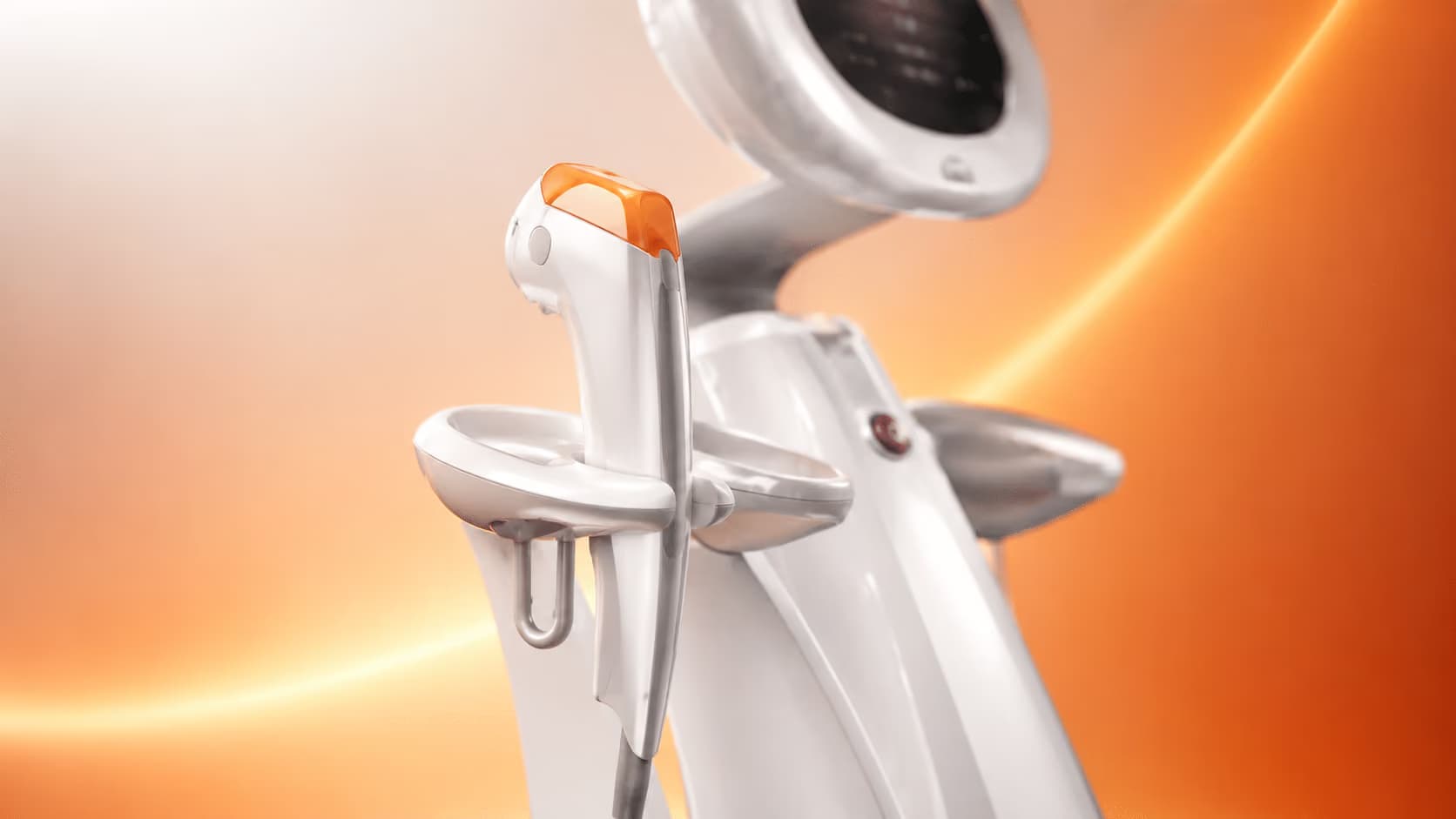
Three main types: fibrous cellulite (hard dimpling, visible at rest, caused by bands of connective tissue that pull the skin downwards), adipose cellulite (localised fat deposits, a soft texture, orange peel skin visible when pinched) and mixed cellulite (a combination of both with a loss of skin tone). Each type responds to different treatments: subcision for fibrous, Accent Prime for adipose, Morpheus 8 for mixed. The medical assessment identifies your dominant type.