


Skip to content

First visit

Let our experts guide you to the right protocol.

Start my assessment

The programme

Elite Longevity

A year-long programme bringing the three pillars together around a personal measurement index.

See the programme

First visit

Let our experts guide you to the right protocol.

Start my assessment

Skincare Agency Paris

Excessive sweating

Recovering comfort, area by area

Underarm marks, damp hands, wet feet, a permanent feeling of discomfort or sweating that becomes hard to live with day to day. Excessive hyperhidrosis is not just a passing inconvenience. When it becomes visible, repeated or socially disabling, it deserves a clear, targeted medical answer suited to your situation.

Our approach

Medical care for hyperhidrosis

Sweating is a normal mechanism of the body. But when it becomes disproportionate, localised or hard to control, it can affect confidence, comfort in clothes, social interaction or working life. Our approach consists of understanding your hyperhidrosis precisely, in order to propose a treatment coherent with the area concerned, the intensity of the concern and your daily life.

  1. 01

    Identify

    We tell physiological sweating from genuine hyperhidrosis, localised or more widespread, in order to reach an accurate indication.

  2. 02

    Target

    Every area has its particularities. Underarms, hands, feet or more generalised sweating are not cared for in the same way.

  3. 03

    Treat

    We select the solution best suited to your situation, with a demand for comfort, effectiveness and naturalness.

Portrait of Vanessa Marrapodi, founder of Skincare Agency Paris.
When sweating takes up too much space, the right treatment always begins with a good assessment.

Vanessa MarrapodiFounder of Skincare Agency Paris

Underarms

Underarm sweating, visible, frequent and often deeply inconvenient

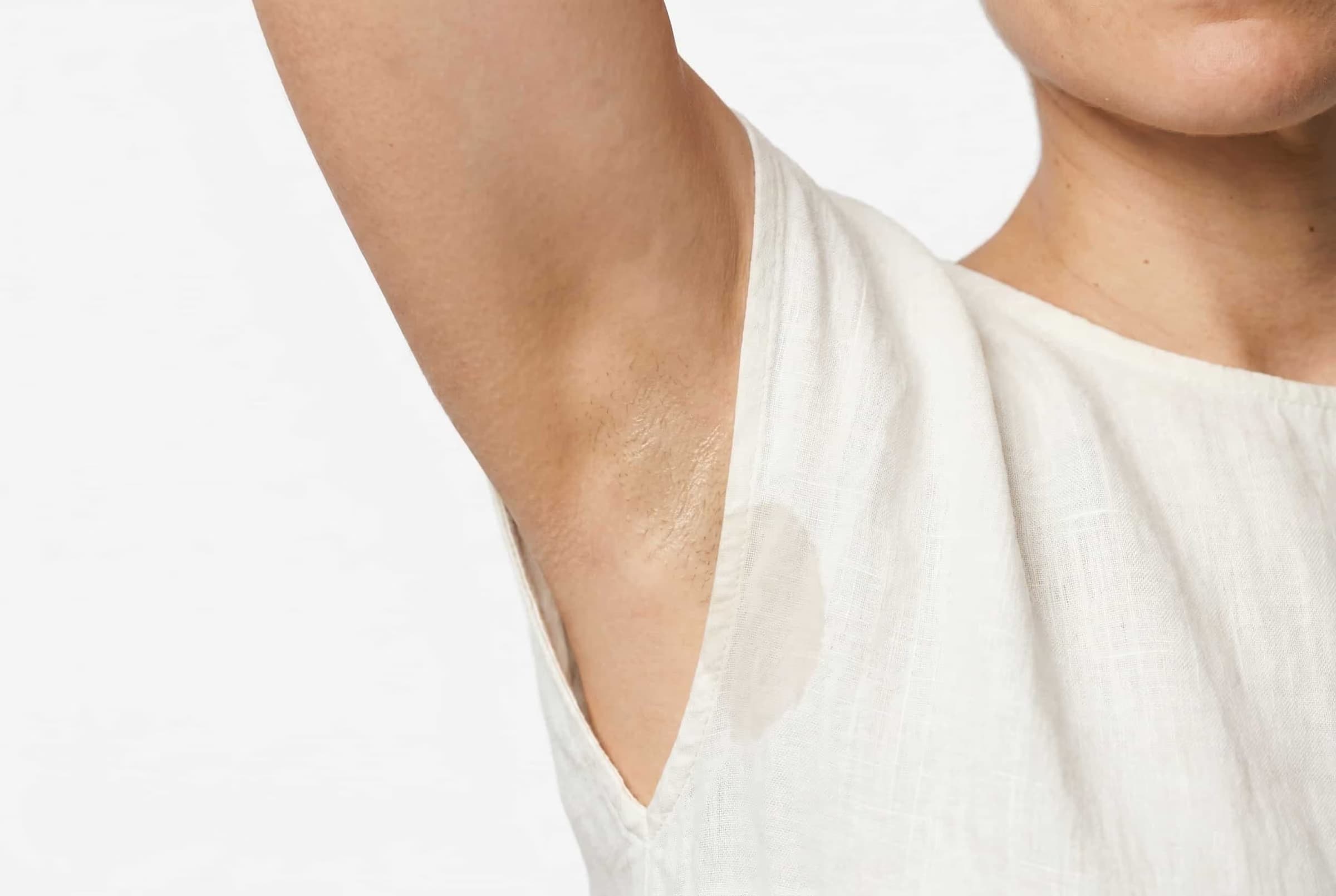
Excessive underarm sweating is one of the most frequent forms of hyperhidrosis. It shows quickly, marks clothes, limits the choice of fabrics and can create very strong social discomfort, even in patients who are otherwise entirely at ease.

Underarm of a patient being treated for axillary hyperhidrosis.

A concern that goes beyond simple discomfort

What weighs is not only the sweat. It is the anticipation. Changing tops, avoiding certain colours, raising your arms less, thinking about odour or constantly watching your appearance. When that concern settles in, a medical answer can genuinely change daily life.

Underarm hyperhidrosis responds particularly well when it is properly assessed. It is often the location that responds best to targeted care, with results visible in comfort, social life and freedom of movement.

Underarms

03 protocols

Our solutions

Recovering ease in your clothes, your movements and your day

Excessive underarm sweating can look unremarkable from the outside, but it deeply changes the way you dress, move and feel looked at. When a treatment is well indicated, the relief is often as much mental as physical.

Hands and feet

When hyperhidrosis becomes functional in daily life

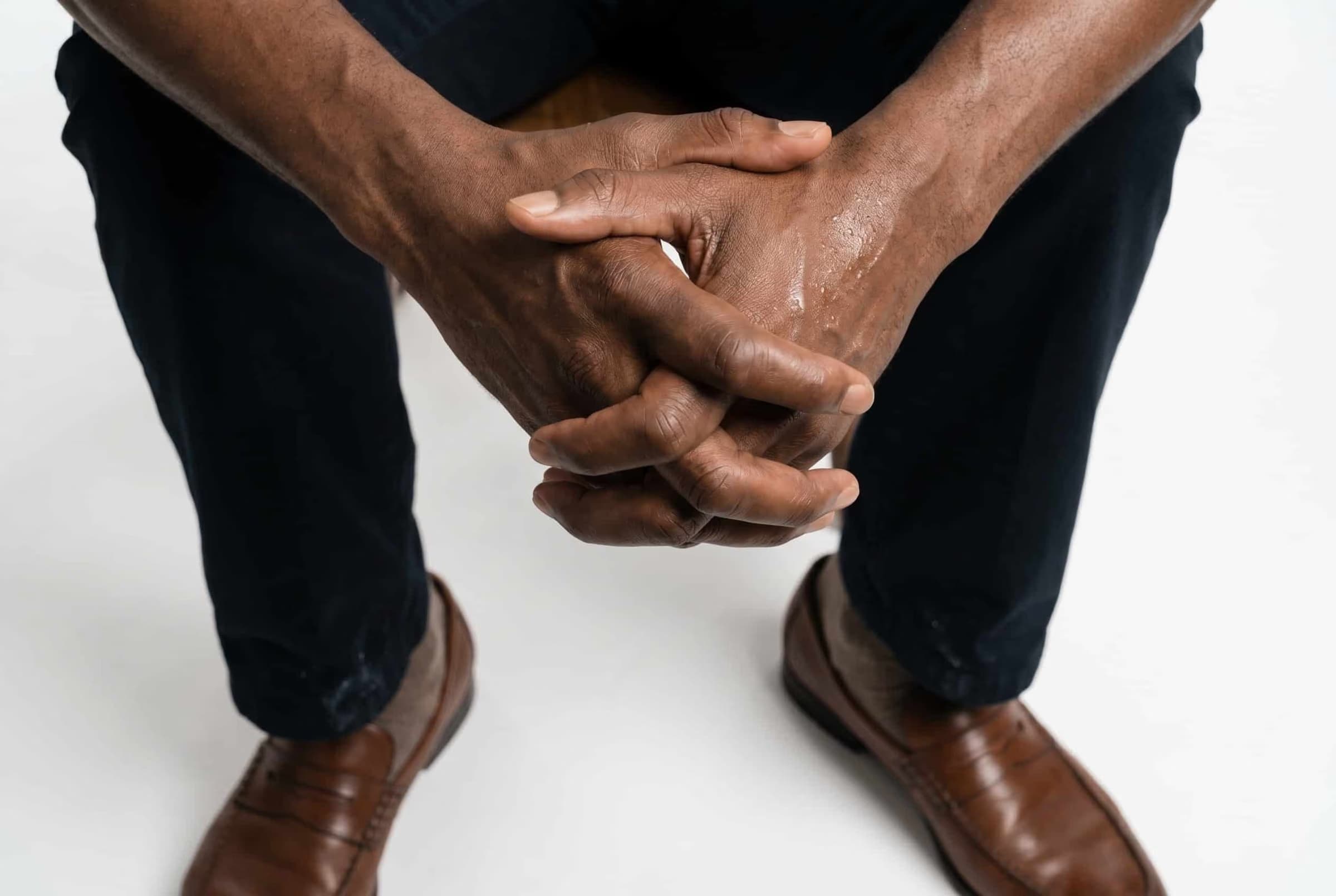
Damp hands and wet feet are not just an unpleasant sensation. They can get in the way of a handshake, of writing, of working at a screen, of sport, of wearing certain shoes or of the simple comfort of walking.

Hands of a patient affected by palmar hyperhidrosis.

Two areas, a real relational concern

Hands and feet have in common a sweating that is often hard to hide. In some patients, that hyperhidrosis creates a permanent vigilance, with a sense of losing control in otherwise ordinary moments.

Excessive sweating of the hands and feet calls for a precise assessment, because the sensitivity of the area, the tolerance of the procedure and the patient’s experience directly influence the choice of treatment.

Hands and feet

03 protocols

Our solutions

Beyond the treated area, a broader reading of the body

Some visible signs also reflect a broader reading of the body, of its balance and of its regulation. The Elite Longevity programme extends that standard with an in-depth, personalised approach, resolutely turned towards prevention.

Face

Sweating of the face calls for a more precise reading

Excessive sweating of the face, the forehead or the scalp can become a daily concern, in working life as much as in social moments. Visible and hard to conceal, it often comes with a discomfort that goes beyond the physical sensation alone.

Face of a patient affected by facial hyperhidrosis.

What that changes in the care

The face is a fine, mobile area crossed by muscles of expression. Treating it calls for particular precision, in order to target the sweat glands without freezing the natural look of the eyes or the smile. Before any procedure, the extent of the area concerned, the context in which it appears and its impact on your daily life have to be understood.

In this situation, the consultation takes a central place. It allows the precise mapping of the sweating to be assessed and the dosage to be adapted finely, for an effective result that preserves the full expressiveness of your face.

Generalised

03 protocols

Our solutions

Face

More widespread sweating calls for a more medical reading

In some patients, excessive sweating does not only affect the underarms, the hands or the feet. It can concern several regions of the body or show in a more diffuse way, with an overall feeling of discomfort.

Back of a patient affected by generalised hyperhidrosis.

What that changes in the care

Generalised hyperhidrosis does not always follow the same reasoning as localised hyperhidrosis. Before treating, the form, the context in which it appears, the rhythm and the impact on your daily life have to be understood in order to guide what follows correctly.

In this situation, the consultation takes a central place. It allows localised sweating, accessible to a targeted treatment, to be told from a broader picture, which calls for a fuller medical reading.

Generalised

03 protocols

Our solutions

FAQ

Frequently asked questions

Hyperhidrosis is excessive sweating, beyond what is usually needed to regulate body temperature. It can be localised, for example at the underarms, the hands or the feet, or more generalised.